Harina Tostada
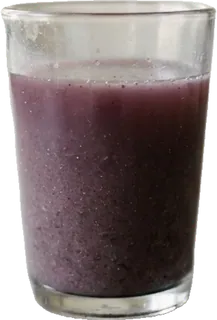
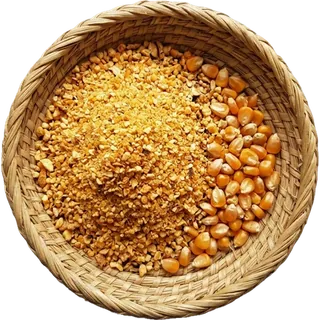
Wheat kernels are toasted in a hot pan or clay tiesto until dark and fragrant, then ground fine on a stone or in a mill. The flour is stirred into water for ulpo or into wine for chupilca, drunk at threshing time and family tables across the south.
How to order
¿Me prepara una chupilca sin leche, por favor?
Milk is the only variable, stirred in by some cooks to soften the wine mix; ask for it plain with “¿Me prepara una chupilca sin leche, por favor?” Markets selling the dry flour itself have nothing to clear, since it is toasted wheat and nothing more, and the counter runs in Chilean Spanish even where the flour is called múrke at home.
History
Harina tostada is the Chilean Spanish name for wheat toasted in a pan or clay tiesto and milled to a fine, cocoa-coloured flour; in Mapudungun it is called múrke. It is made across the wheat country of Araucanía, Biobío and Maule, land parcelled out to settlers after the Chilean army's occupation of Wallmapu in the 1880s pushed Mapuche communities onto smaller reducciones. The flour is kept in a tin or cloth sack in both Mapuche and campesino kitchens, spooned out at the trilla, the summer threshing, at Fiestas Patrias in September, and into daily bowls of soup.
The pot holds one thing: wheat, dry-toasted and milled, nothing else enters at any stage. Ulpo mixes the flour with cold water and sometimes sugar; chupilca mixes it with wine, occasionally milk. Milk, when it appears, is stirred in at the table or by the cook as a matter of taste, not tradition, so the only real question for a buyer is whether milk has gone into the cup before it's handed over.
Where to get it
Feria libre stalls and rural almacenes across Araucanía, Biobío and Maule sell the dry flour by the bag year-round, CLP 1.500-2.500 a kilo; at trilla gatherings and Fiestas Patrias stands in September, a cup of chupilca or ulpo runs CLP 500-1.000.