Mültrün
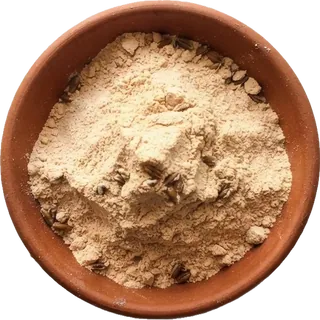
Wheat kernels are boiled soft, then pounded on a stone until the dough turns sticky and elastic, shaped into flattened rolls stamped with a pattern. Mapuche families across Araucanía and Los Ríos eat it with merkén, honey or on its own, often at winter meals and gatherings.
How to order
Me da un catuto con merkén, por favor.
Catuto itself is wheat, water and salt, with no animal ingredient in the dough; the only thing to settle is the honey, which is drizzled on at the table rather than cooked in, so ask for it on the side: 'sin miel, por favor.' Feria stalls around Temuco and Valdivia generally run in Spanish, though vendors in Mapuche communities often speak Mapudungun as well.
History
Mültrün is the Mapudungun name; in Chilean Spanish it is catuto. It is made by Mapuche families across Araucanía and Los Ríos, in the territory called Wallmapu, much of it seized from Mapuche communities and confined into reducciones during the Chilean state's military occupation of the region in the 1860s-1880s. Wheat, introduced after Spanish contact and since grown on Mapuche land, is boiled until soft, then pounded on a flat stone with a wooden tool until the grain turns into a sticky, elastic dough. The dough is shaped into flattened rolls and stamped with a pattern before serving, often at winter meals, family gatherings and ngillatun ceremonies.
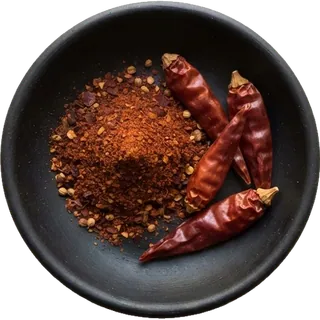
The dough itself is wheat, water and salt, boiled and pounded with nothing else mixed in. Merkén, a smoked and ground chili pepper, is often sprinkled over it or served alongside, and that too is plant. Honey is the one addition that is not plant; it is poured over the piece at the table, after cooking, rather than worked into the dough. What needs settling, then, is only whether honey has already been added to the portion before it reaches you.
Where to get it
Feria stalls and roadside stands around Temuco, Villarrica and Valdivia, often set out next to merkén and muday, more common in winter and at ngillatun gatherings; a piece costs around CLP 500-1,000.