Merkén
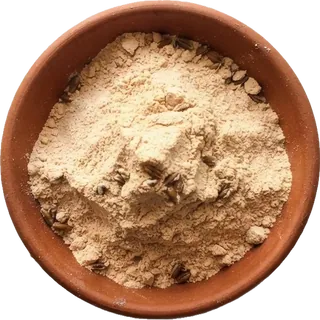
Ají cacho de cabra chillies are sun-dried, hung over a wood fire until smoke-cured, then ground on a stone with toasted coriander seed and salt. The result seasons bean stews and grilled meat across the Araucanía and Biobío, and now sits on tables in Santiago as well.
How to order
¿Me vende merkén, por favor?
Markets and spice stalls in La Araucanía and Biobío run mostly in Chilean Spanish, with Mapudungun used at some Mapuche stalls and fairs, so a simple “¿Me vende merkén, por favor?” works at either. Merkén itself has nothing to clear — chilli, coriander and salt — but a prepared dish listed as 'con merkén' is a separate question, since the spice is commonly stirred into meat stews and broths.
History
Merkén, spelled merquén in Chilean Spanish, comes from Mapuche communities in La Araucanía and Biobío, the heartland of Wallmapu. Families grow ají cacho de cabra in home gardens, pick the chillies in late summer, string them to dry in the sun, then hang them above the kitchen fire until they take on smoke. Once cured, the chillies are pounded on a stone with toasted coriander and salt. The seasoning was a household staple long before Chilean settlers occupied Mapuche land in the nineteenth century; today it flavors cazuela and bean pots at home and has spread into restaurant kitchens across the country.
Every ingredient in merkén is plant or mineral: chilli, coriander seed and salt, finished with wood smoke. No animal product enters at any stage of drying, smoking or grinding, and none is added once the jar is opened. The only variable worth asking about is what it seasons rather than what it contains — merkén itself is sprinkled over bean stews, roasted squash and grilled meat alike, so a dish calling itself 'con merkén' may still carry meat or broth underneath the spice, and that is what needs settling before ordering.
Where to get it
Ferias libres and spice stalls in Temuco, Cañete and other towns across La Araucanía and Biobío sell it loose by the kilo or packed in small jars, and supermarkets nationwide now stock it as well. A 100-gram jar runs roughly CLP 1,500-3,000, more at a Mapuche market stall than at a chain supermarket.