Muday
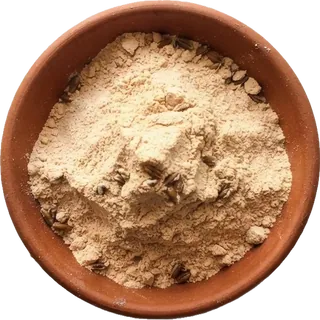
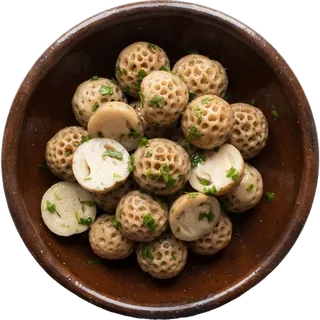
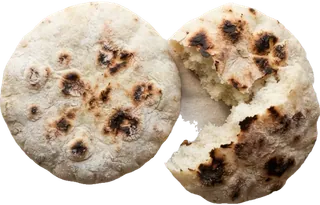
Wheat, maize or piñón is ground and steeped in water, then left to ferment for several days until it turns cloudy and faintly fizzy. It is poured from clay or wooden vessels at the ngillatun and other Mapuche ceremonies across the Araucanía, where it accompanies prayers of thanks to the earth.
How to order
¿Me podría dar un poco de muday, por favor?
There is nothing to clear with the person pouring it; muday is grain, water and time, with no animal product at any stage. At a feria or cultural event the exchange usually runs in Chilean Spanish, though the grains and the drink itself keep their Mapudungun names even in Spanish conversation, so asking for it as “¿Me podría dar un poco de muday, por favor?” is understood everywhere it is served.
History
Muday is a Mapudungun word, kept as muday in Chilean Spanish too, and it names the oldest fermented drink of the Mapuche people, made across the Araucanía from Temuco and Padre Las Casas to the communities around Lago Budi, with a piñón version tied to Pehuenche families near Lonquimay and Curacautín who gather the araucaria seed each autumn. It is poured at the ngillatun, at we tripantu and at funerals, offered first to the machi and the elders before it passes around the circle. Its making survived the Chilean state's occupation of Wallmapu between 1861 and 1883, which took most Mapuche land and pushed families onto reducciones, and it is still brewed today in the same clay and wooden vessels as before.
The drink is grain, water and time: wheat, maize or piñón is ground or crushed, mixed with water and left to ferment on its own, with wild yeast and the starch itself doing the work. Older practice had women chew a portion of the grain to start the ferment with enzymes from saliva, a method some communities still use and others have replaced with grinding alone; either way nothing animal goes into the liquid. There is no stage at which meat, dairy or any animal product enters, so nothing needs to be settled before drinking it.
Where to get it
Served at ngillatun and we tripantu gatherings on Mapuche land across the Araucanía (Region IX), and at ferias costumbristas and cultural fairs in Temuco and Padre Las Casas, where a cup runs CLP 500-1,000 when sold at all; it is otherwise shared rather than bought, poured through the afternoon of a ceremony rather than kept to a fixed hour.