Luche
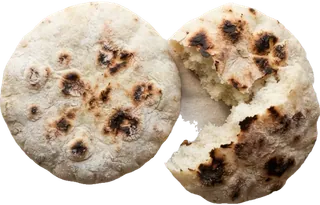
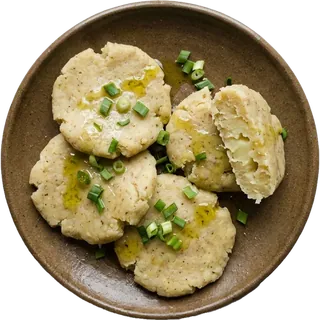
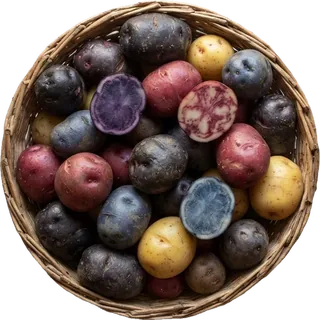
A dark red seaweed is harvested from coastal rocks, pressed into flat cakes and dried in the sun, then simmered until soft before it reaches the plate. It was a winter staple against scurvy on the southern coast, and in Chiloé it is still cooked with potatoes.
How to order
¿Me da el luche sin chancho, por favor?
Ask whether pork fat, chicharrones or longaniza went into the pot before it was served, with “¿Me da el luche sin chancho, por favor?”; markets and fondas in Chiloé run the counter in Chilean Spanish.
History
Luche is the Mapudungun name for Porphyra, a dark red seaweed that grows on rocks along the southern coast and the Chiloé archipelago, in the regions now called Los Ríos and Los Lagos. Women and families gather it at low tide, rinse it, press it into flat cakes, and dry it on fences or rocks in the open air. Dried luche kept through winter, when fresh vegetables were scarce, and its vitamin C content made it a defense against scurvy on a coast where Spanish and later Chilean settlement displaced Mapuche and Williche communities from much of their land. It remains a Chiloé pantry staple, cooked with potatoes.
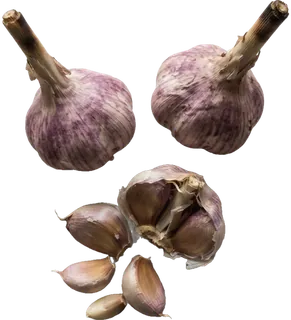
The pot itself is plant only: dried luche simmered soft with potatoes, onion and garlic, sometimes a splash of oil. Pork enters in many Chilote kitchens, where cooks add chicharrones, pork fat or a piece of longaniza to the pot while it simmers, for flavor rather than at the table. Once the meat is in the cooking liquid it cannot be lifted back out, so what needs settling is upstream of serving: whether pork went into that particular pot before it reached the plate.
Where to get it
Ferias and seafood markets in Castro, Ancud and Dalcahue on Chiloé, and along the Valdivia coast, sold dried in cakes year-round and cooked fresh at winter fondas; a cake of dried luche runs CLP 1,000-2,000, a cooked plate CLP 3,000-5,000.