Chapalele
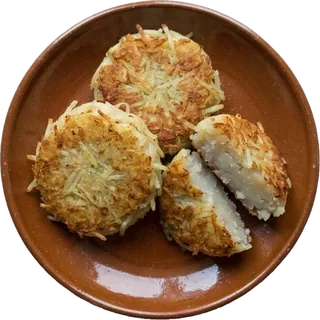
A dumpling of mashed potato bound with flour and lard, shaped by hand and boiled in broth or steamed inside a curanto pit of hot stones. It is Chilote everyday food, eaten across the Chiloé archipelago in Los Lagos region at family tables and festivals alike.
How to order
¿Me podría dar un chapalele sin manteca, por favor?
Ask whether the dough was made with manteca and whether it was boiled in meat broth or steamed in a curanto holding pork and shellfish: "¿Me podría dar un chapalele sin manteca, por favor?" Market stalls and home kitchens in Chiloé run the counter in Chilean Spanish, not Mapudungun, so the phrase lands as asked.
History
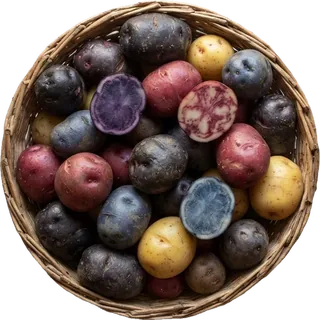
Chapalele carries its name from Mapudungun, the language of the Mapuche and Huilliche people who worked this territory before Spanish colonization reached Chiloé in 1567 with the founding of Castro. The dough is potato, boiled and mashed, worked with wheat flour and lard into a thick paste, then shaped into ovals and either boiled in broth or steamed inside a curanto, the pit of heated stones layered with shellfish, meat and leaves. It is cooked in home kitchens across the archipelago, from Castro to Dalcahue and Quemchi, served at mingas, communal farm work parties, and at the fiestas costumbristas that mark the harvest season in late summer.
The base is plant: potato mashed with wheat flour, salt and water. Lard is standard in traditional dough, worked in to bind and enrich the paste before shaping, so a plain potato-and-flour version is the exception rather than the rule in home and market kitchens. When chapalele is boiled, it can simmer in a meat or shellfish broth; when steamed in curanto, it sits in the same pit as pork, chicken and mussels and can pick up their fat and juices. What has to be settled, before the dough is mixed, is whether lard went in, and whether the pot or pit it cooks in holds meat.
Where to get it
Market stalls and home-style fondas in Castro, Dalcahue and Ancud, in Los Lagos region, sold daily and especially at the curanto feasts of summer fiestas costumbristas; a portion runs CLP 1,500-3,000 at a market stall.