Murta
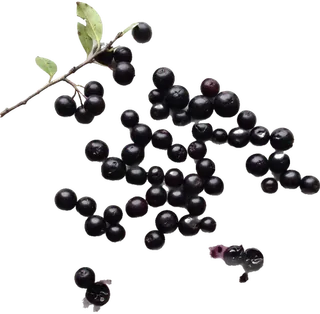
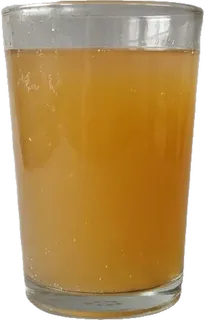
A small red myrtle berry gathered wild in the forests of southern Chile from March to May, cooked into jam or steeped for months in aguardiente to make murtado. Families in Valdivia and Chiloé sell it by the jar at autumn ferias.
How to order
¿Me vende un frasco de mermelada de murta, porfa?
Ask whether the jar is sweetened with sugar or with honey, since vendors use both: “¿Es con azúcar o con miel?” The feria stalls in Valdivia and Chiloé run in Chilean Spanish, the trade language of the market, even where the Mapudungun name uñi is used for the fruit itself.
History
Murta grows wild through the temperate rainforest of Los Ríos and Los Lagos, from the hills around Panguipulli and Valdivia down through the Chiloé archipelago. In Mapudungun the berry is also called uñi; Chilean Spanish shortens it to murtilla. Mapuche and Chilote families gather it by hand each autumn, when the small red fruit hangs on the bush into May, then cook it down with sugar into jam or steep it in aguardiente for months to make murtado, sold at roadside stands and fiestas costumbristas on land the occupation of Wallmapu took from Mapuche communities.
The pot holds nothing but the berry and sugar: murta cooked down into jam, or packed into a jar with aguardiente and sugar and left to steep into murtado. No animal product enters at either stage, and none appears at the table — some makers sweeten with honey instead of refined sugar, which changes the taste but not the question, since honey is the only point worth checking for a buyer avoiding it. Otherwise the jar is settled before it is sold: berries, sugar or honey, and spirit, nothing else.
Where to get it
Roadside stands along the road to Panguipulli, the Valdivia feria fluvial, and the ferias costumbristas of Castro and Ancud in Chiloé, selling fresh berries in March and April and jars of mermelada or murtado year-round; a jar runs CLP 3,000-5,000.