Chicha de Manzana
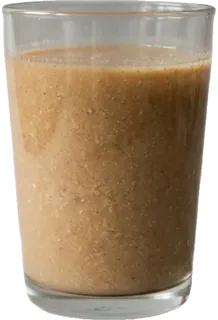
Apples are crushed in a wooden press and the juice is left to ferment in wooden barrels through the autumn months, turning cloudy and tart as the sugars convert. It is drunk young, often still fizzing, in Chiloé's orchards and in Mapuche communities of the Araucanía, where the same drink is called pulku.
How to order
¿Me vende un litro de chicha sin azúcar agregada, por favor?
Chicha de manzana is apples and time, but some producers add cane sugar to the must to push the alcohol higher, so ask before buying: “¿Me vende un litro de chicha sin azúcar agregada, por favor?” Roadside sellers in Chiloé and the Araucanía run the stand in Chilean Spanish rather than Mapudungun, even where the drink itself is called pulku.
History
The name chicha de manzana is Chilean Spanish; in Mapudungun the same fermented drink is called pulku, and across Wallmapu the word covers any home-fermented beverage, not apples alone. Spanish missionaries planted the first apple trees in Chiloé in the sixteenth century, and the archipelago's chicha became bound up with harvest work parties, called mingas, through the autumn months. In the Araucanía, Mapuche families kept making pulku from apple orchards even after the Chilean state's nineteenth-century occupation of Wallmapu confined them to reducciones, pressing fruit each March in Curacautín and the hills around Lonquimay.
The whole drink is apples and time: fruit crushed in a wooden press, the must left in barrels or demijohns to ferment on wild yeast already living on the skins. No sugar, honey or animal product is required at any stage, though some producers add cane sugar to the must to push the alcohol higher, and some filter the finished chicha before bottling rather than serving it cloudy straight from the barrel. Nothing animal enters the pot or the glass, so the only real question for a buyer is whether sugar went into the must, not whether anything plant or animal was left out.
Where to get it
Farm stores and roadside stands in Chiloé's countryside around Dalcahue and Chonchi, and small orchard producers in the Araucanía's Curacautín and Lonquimay valleys, sell it by the liter straight from the barrel each autumn, typically March to May; a liter runs CLP 2,000-4,000, more at the chicha fiestas held in Chiloé towns each April.