Fafda
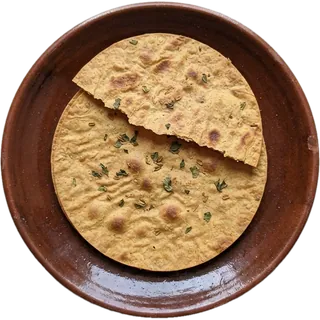
Fafda is a Gujarati snack of gram-flour dough pressed into flat strips and deep-fried until crisp and flaky. Sold from early morning at street carts, it is the centrepiece of a common Sunday breakfast, served with fried green chillies and papaya chutney.
How to order
થોડું ફાફડા આપશો, મહેરબાની કરીને?
Fafda is naturally vegan, made simply from gram-flour dough rolled with carom seeds and deep-fried in oil, with no ghee, milk or curd involved; it is normally served fresh with fried chillies and papaya chutney, so no changes are usually needed. If the stall also sells sweets nearby, it is still worth confirming the frying oil is not shared with dairy-based items by asking ‘શું આમાં ઘી કે દૂધ વપરાય છે?’
History
Fafda is recorded as part of farsan, the Gujarati repertoire of savoury fried snacks, in trading towns such as Ahmedabad, Surat and Vadodara. Cooks found that kneading besan (gram flour) with oil and a trace of carom seed, then stretching or pressing the dough into thin strips, gave a bubbled, crisp texture distinct from denser besan fritters. Fafda-jalebi stalls became fixtures of the weekend morning in these cities, pairing the salty crunch of fafda with syrupy jalebi. The combination is also served before the Dussehra festival, when many households and stalls prepare it as part of the day's food.
Every stage of making fafda, from dough to fryer, uses plant and mineral ingredients only. The dough is besan, oil, carom (ajwain) seed, salt and a touch of turmeric, pressed into strips and fried in groundnut or other vegetable oil; no dairy, egg or animal fat goes into it at any point, and the fried green chillies and papaya chutney served alongside are plant-based too. The one thing worth checking at a stall or restaurant is a finishing brush of ghee on the strips before serving, or a side of curd offered as a separate item on the menu; plain fafda from a fafda-jalebi stall is ordinarily served without either.
Where to get it
Fafda is found throughout Gujarat, especially in Ahmedabad, Surat and Vadodara, at dedicated fafda-jalebi stalls that open early for breakfast, as well as at farsan shops and sweet shops selling it by weight through the day; it is also common around festivals like Dussehra.