Khichu
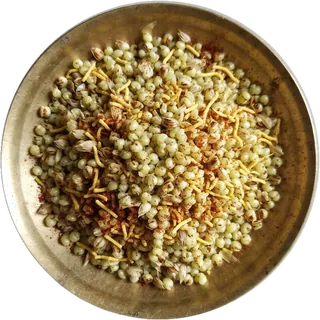
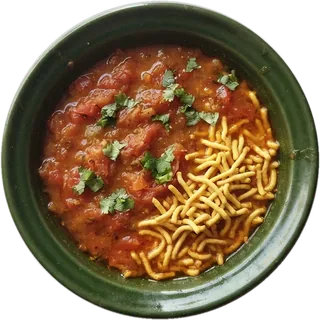
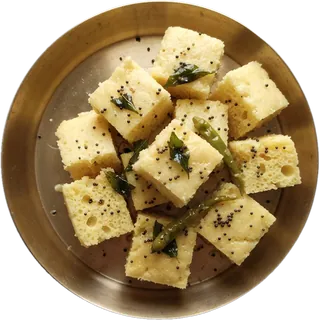
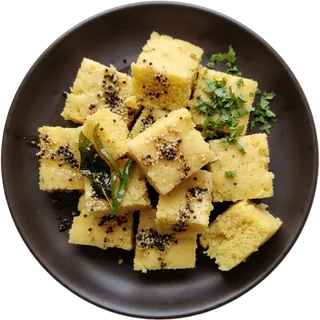
Khichu is a soft, slightly sticky rice-flour dumpling from Gujarat, scalded into a quick dough with cumin seeds and green chilli, then steamed and eaten piping hot, doused in oil and dusted with chilli powder. It is a rainy-season and teatime favourite, sold from carts and small stalls where it is made to order in minutes.
How to order
એક પ્લેટ ખીચુ આપશો, મહેરબાની કરીને?
Khichu is made from rice flour, water and oil, then topped with a hot pour of oil and chilli powder. At stalls that offer a richer topping it is worth confirming with ‘આમાં ઘી કે માખણ નાખ્યું છે?’ (has ghee or butter been added to this?); ask for extra oil or chilli if you prefer it richer or spicier.
History
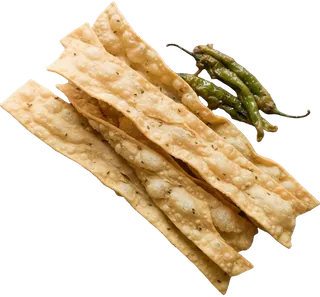
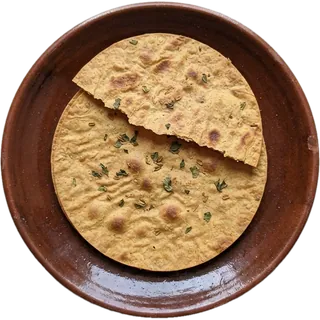
Khichu belongs to the family of quick rice-flour preparations that Gujarati households developed as an almost instant snack: rice flour is simply scalded with hot water into a dough, seasoned, and shaped, needing no fermentation, grinding of lentils, or lengthy preparation the way dhokla or khaman do. It is closely related to paatra and rice-flour papads in technique, but kept soft and eaten fresh rather than dried or steamed into cakes. Cooks prized it as a way to turn rice flour into a hot dish within minutes, and it travelled from kitchens onto street carts in towns across Gujarat, especially during monsoon evenings when a hot, oily, spicy bite is most welcome.
The dough itself is rice flour scalded with water and seasoned with cumin seeds, green chilli and asafoetida, then shaped into small dumplings and finished with a generous pour of oil, usually groundnut oil, and a dusting of chilli powder; no ghee, milk or curd goes into the batter or the seasoning at any stage. What a diner does watch for is the finish rather than the dough: some stalls and restaurant kitchens offer a spoon of ghee poured over the hot khichu instead of plain oil, and a side of curd is sometimes served alongside as a separate, cooling accompaniment rather than as part of the preparation.
Where to get it
Look for it at roadside snack carts and small eateries across Gujarat, particularly in Surat and Ahmedabad, where vendors make it fresh in shallow pans and serve it hot on paper plates, often alongside other instant rice-flour snacks like patra or handvo.