ጎመን (Gomen)
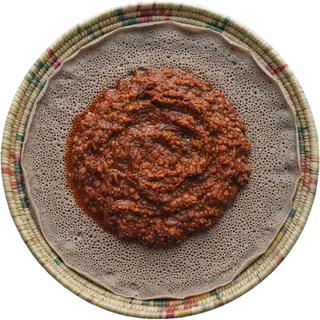
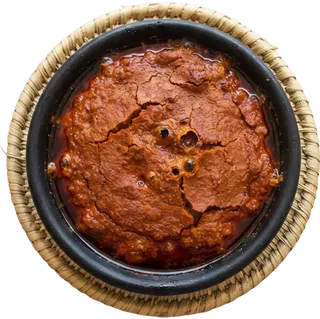
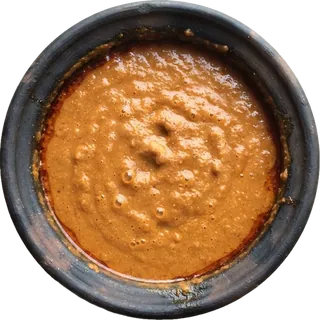
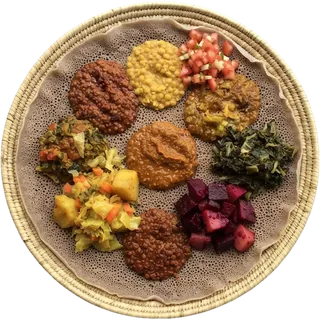
Collard greens boiled until soft, chopped fine on a board, and returned to the pan with onion, garlic and green chilli. The dish is cooked in niter kibbeh on ordinary days and in oil on fasting days. Vendors and restaurants across Addis Ababa and the Amhara region spoon it onto the injera platter as the green mound.
How to order
እባክዎ የጾም ጎመን ያለ አይብ ይስጡኝ።
The sale runs in Amharic at market stalls and restaurant counters. Saying “የጾም ይሁን” (let it be the fasting version) gets the greens cooked in oil rather than niter kibbeh, and adding “ያለ አይብ” (without cheese) covers the ayib spooned on at the table. Where a pot was started hours earlier with butter already stirred in, the fasting request has to be made before cooking, not after the plate arrives.
History
Gomen is the Amharic word for collard greens and for the dish made from them, eaten across the Amhara region and in Addis Ababa under the same name; some menus list it as 'gomen wat.' Smallholders grow the greens in highland garden plots around towns such as Debre Birhan and Gondar, and market vendors bundle them for sale at dawn. Cooks boil the leaves until soft, chop them fine on a board, then return them to the pan with onion, garlic and green chilli, simmering briefly before serving. Restaurants prepare it daily as one dish on the injera platter, and home kitchens serve it at both midday and evening meals.
The greens, onion, garlic and chilli are plant throughout. Animal product enters twice: niter kibbeh, spiced clarified butter, is the usual cooking fat stirred in while the greens simmer, and crumbled ayib, a fresh cheese, is often spooned on top once the dish reaches the table. On Wednesdays, Fridays and through the Orthodox Tewahedo fasting periods, observant households and most restaurants cook gomen in oil instead of butter and leave the ayib off entirely, so the dish is plant-based by default on those days. Outside the fast, the butter is already in the pot by the time a plate is served, and asking afterward will not remove it, so the fasting version has to be requested before cooking or found at a restaurant that keeps one ready.
Where to get it
Market stalls, home kitchens and restaurants across Addis Ababa and the Amhara region, including Bahir Dar, Gondar and Debre Markos, serve it year-round as a daily side with injera, for roughly 40-90 ETB per plate.