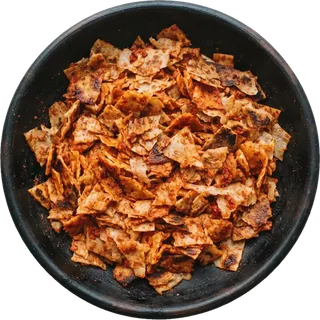
Goodarree
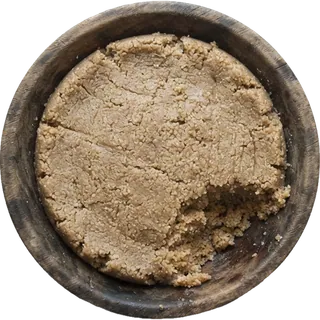
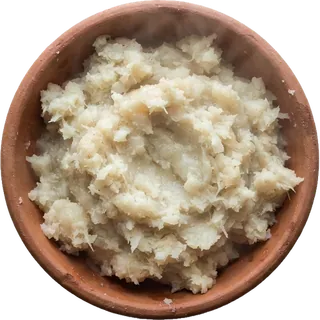
Taro corms lifted from wet garden plots in southern and southwestern Ethiopia, boiled whole in their skins until a knife passes through, then peeled while still hot. Sold at local markets in Bonga, Sodo and across western Oromia, the corm is eaten as a starch with coffee or set beside cooked greens.
How to order
እባክዎ፣ ጎደሬ ያለ ቅቤ ይስጡኝ።
The sale at markets in Bonga and Sodo runs mainly in Amharic, the language most stalls default to, though Afaan Oromoo is current at stalls across Oromia. Asking for it “ያለ ቅቤ” (yale kibe), without butter, settles the matter, because the butter is rubbed on only at the very end, after the corm has been peeled. At a stall run by an Orthodox household on a fasting Wednesday or Friday, the corm is already unbuttered by default, no asking required.
History
Goodarree is the Afaan Oromoo name for taro, Colocasia esculenta, also called godere in Amharic. It is grown in the wet garden plots of the Kafa zone around Bonga, the Wolaita zone around Sodo, and the western Oromia highlands toward Jimma and Illubabor, usually intercropped with enset and coffee at the moist edges of homesteads. Growers lift the corms once the leaves yellow, scrub them, and boil them whole in their skins until a knife passes through the flesh; the hot corms are then peeled by hand. The cooked corm is sold loose by the piece or by the kilo in open-air markets, eaten at home as a starch with coffee or set beside cooked greens such as gomen.
The corm itself is entirely plant: water, salt and the vegetable, boiled until the flesh turns dense and faintly sweet. Animal product, where it appears, enters only after cooking, as butter rubbed onto the hot peeled corm by some households before serving. Orthodox Tewahedo Christian households leave the butter off on Wednesdays, Fridays and through the long fasts, eating the corm plain or with a little oil instead; Protestant and Muslim households at the same markets butter it on any day, with no fasting calendar attached. What has to be settled at the point of sale is whether that butter goes on before the corm reaches the eater — since it is rubbed on just before serving rather than cooked into the pot, asking in time is enough to change it.
Where to get it
Open-air markets in Bonga (Kafa zone) and Sodo (Wolaita zone), and smaller garden-produce stalls across western Oromia toward Jimma, sell the boiled corms loose or by the kilo, mainly in the dry months following harvest, roughly October to February, for about 20-35 ETB a kilo.