Caccabsaa
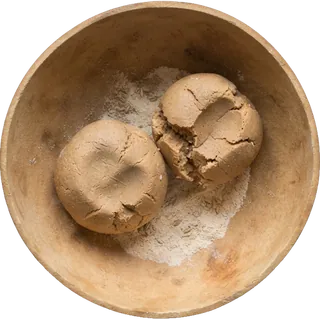
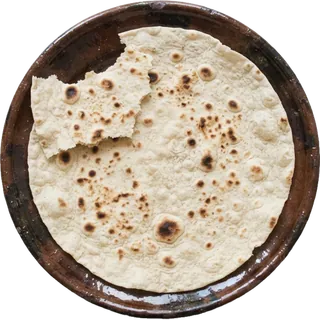
Caccabsaa is a flatbread of wheat or teff flour, water and salt, baked thin on a griddle, then torn into small pieces and worked in the same pan with berbere and fat until every piece is coated red. It is eaten at breakfast with a spoon, straight from the pan, at homes and small breakfast houses around Jimma town.
How to order
እባክዎ አንድ ካጫብሳ ያለ ቅቤ ይስጡኝ።
Asking for it “yale kibe,” without butter, tells the cook to use oil instead of niter kibbeh, and works if the pan has not yet been started. It does not change a batch already worked through butter earlier in the service, since caccabsaa is often prepared in a round and then held warm. The sale in Jimma's breakfast houses runs in Amharic or Afaan Oromoo depending on the vendor, and the Amharic phrase is understood either way.
History
Caccabsaa is Afaan Oromoo for a dish built on caccabsuu, to break into pieces, naming the method before the seasoning. It is cooked in Jimma town and the surrounding highland woredas of Jimma Zone, in Oromia, a coffee-growing region drained by the Gibe and Dedessa rivers. Cooks bake a thin, unleavened flatbread of wheat or teff flour on a mitad or a flat pan, tear it into small pieces while still warm, and return the pieces to the pan with berbere and fat, turning them until each scrap is coated and the whole takes on the colour of the spice. It is sold in the morning at breakfast houses and small restaurants near Jimma's central market, and at home it opens the day's first meal.
The bread itself is flour, water and salt, entirely plant, and the tearing and reheating in the pan add nothing but mechanical work. The animal product enters with the fat: niter kibbeh, butter simmered with garlic, ginger and spice then strained, is the fat ordinarily worked through the torn bread. On Wednesdays and Fridays and through the Orthodox Tewahedo fasting periods, Orthodox Christian households and the restaurants serving them switch to oil, and the same switch is made on other days on request. Muslim households in Jimma, who do not keep that fasting calendar, season caccabsaa with oil or with niter kibbeh by ordinary household preference. What has to be settled when buying is which fat is already in the pan, since a batch worked through butter at the start of service is not changed by asking afterward.
Where to get it
Breakfast houses and small restaurants around Jimma town's central market, and in nearby coffee-growing woredas such as Agaro and Seka Chekorsa, serve it through the morning, typically for 25 to 50 ETB a plate.