Marqaa
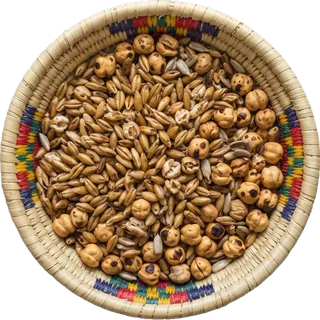
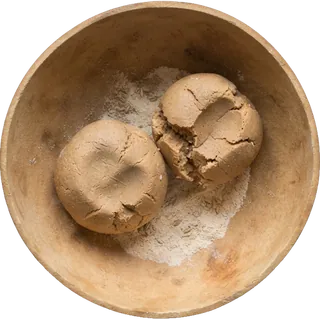
Marqaa is a smooth porridge of barley, wheat or maize flour cooked slowly in salted water until it thickens into a single even paste, then turned out into a wooden bowl. A well is pressed into the center and filled with melted butter and honey before the bowl is carried to a guest or to a woman recovering from childbirth. It is made at home, not sold loose in markets.
How to order
እባክዎ ማርቃ ያለ ቅቤና ማር ይስጡኝ።
The transaction runs in Amharic in most highland Oromia towns, though Afaan Oromoo is the language the cook is most likely to use at home. Asking “ያለ ቅቤና ማር,” without butter or honey, covers it, since the two are poured in only at the very end rather than cooked into the grain. Where a bowl has already had its well filled before the order is placed, the pooled butter and honey can usually still be lifted off the top rather than stirred through, so asking late still changes something.
History
Marqaa is the Afaan Oromoo name for a cooked grain porridge made across the Oromia highlands, from the Arsi and Bale zones through Hararghe to the West Shewa and Wollega lowlands. Households grow the barley, wheat or maize themselves or buy flour at the local market, and a cook stirs it over a low fire for an hour or more, adding water gradually until the paste holds one smooth consistency. It is prepared at home rather than sold in open markets, and is brought out on specific occasions: for a guest received with particular respect, and for a woman in the weeks after she has given birth, when it is carried in to her daily. Related porridges go by other local names in parts of the region, but marqaa is the term used across most of Oromia.
The porridge itself is plant only: flour, water and salt cooked until smooth, with no butter or milk stirred in along the way. Dhadhaa, clarified butter, and dammaa, honey, go on only at the end, poured into a well pressed into the center of the finished bowl just before it is carried out, so neither is cooked into the grain itself. What needs settling is simple: whether that pour happens, and a cook can be asked to leave the well empty or fill it with oil instead. On Wednesdays, Fridays and through the long fasts, Orthodox Tewahedo households and the cooks who observe them make the same porridge with oil in place of butter and set the honey aside, so the fasting calendar settles the question on its own.
Where to get it
Made mainly at home across Oromia's highland zones — Arsi, Bale, West Shewa, Hararghe — for guests and for women after childbirth; a few small eateries in towns such as Asella, Robe and Nekemte serve it to order for roughly 30-60 birr a bowl, with no particular season since the grains store year-round.