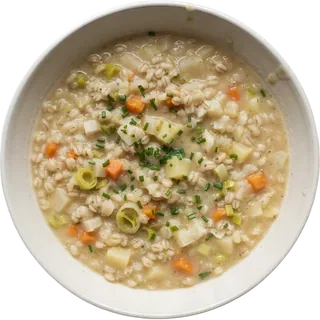
Grano saraceno della Valposchiavo
Buckwheat has grown on the terraced slopes of the Val Poschiavo since the Alps began favoring it over wheat, milled dark into a flour used across the valley for porridge, flatbread and pasta dough.
How to order
Mi dà un po' di pizzoccheri di grano saraceno in bianco, per favore?
Ask for it ‘in bianco’, which signals no butter or cheese has been tossed through the pasta; the dry buckwheat flour and the flatbreads sold on their own contain nothing animal to begin with.
History
Buckwheat reached the Alps by the late Middle Ages, carried along trade routes that gave it the name grano saraceno, 'Saracen grain.' In the Val Poschiavo, a steep valley in Canton Graubünden connected to the Valtellina by the Bernina Pass, it was sown on terraced plots above 1,000 metres where wheat failed to ripen and rye gave poor yields. Farmers milled the grain dark, hull fragments and all, at water mills along the valley floor. The flour went into polenta, into pasta dough for pizzoccheri, and into flatbreads baked on hot stones or in the village's communal ovens, feeding households through winters when little else grew.
The dough itself is plant only: dark buckwheat flour, water and salt, whether destined for porridge, pasta or flatbread. The animal product enters afterward, at the stove or the table: pizzoccheri alla poschiavina are tossed with butter and local cheese, and the porridge is often finished with a knob of butter or a spoonful of cream. Buy the flour, the dry pasta, or a plain flatbread and nothing animal has touched it; order the finished valley dish and you are eating butter and cheese as much as buckwheat, so what needs settling is what gets added after the grain is cooked, not the grain itself.
Where to get it
Look for it in the small mills and village shops of Poschiavo and Brusio, or at the autumn market after the September harvest when the grain is threshed and milled fresh.