Granola
Rolled oats baked slowly with oil and a sweetener until they clump and turn golden, developed in the health-reform kitchens of 19th-century Michigan and New York before becoming a US pantry staple.
How to order
Could I get the granola made with maple syrup instead of honey, please?
Ask whether the granola is sweetened with ‘maple syrup’ or ‘honey’, and whether the oats are tossed in oil or butter before baking.
History
James Caleb Jackson, a hydropathic physician, baked the first version in 1863 at his water-cure retreat, Our Home on the Hillside, in Dansville, New York, twice-baking a graham-flour dough and breaking it into bits he called Granula. John Harvey Kellogg, running the Seventh-day Adventist Battle Creek Sanitarium in Michigan, made his own oat-based version from 1878; after Jackson sued over the name, Kellogg renamed his product Granola. The dish moved from sanitarium patients' trays to supermarket shelves, then back to small-batch bakers in the 1960s counterculture, who baked oats with oil and a sweetener in home ovens.
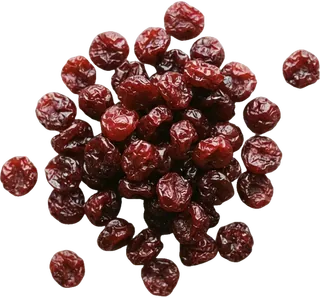
The oat-and-oil base is plant food outright: rolled oats, a vegetable oil, nuts and dried fruit, baked until they clump. The animal product in most American granola is the sweetener — honey is the default choice in home and bakery recipes alike — and some bakery versions also brush the oats with butter before baking for extra browning. A diner buying granola as a plant-based food checks that the sweetener is maple syrup, agave or cane sugar rather than honey, and that the fat used is a vegetable oil, not butter.
Where to get it
Look for it at health-food stores, farmers markets and bakery counters year-round, often bagged by small-batch producers who sell at seasonal craft fairs.