Hoşmer
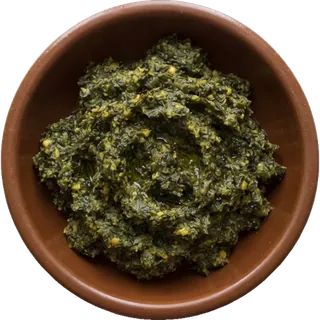
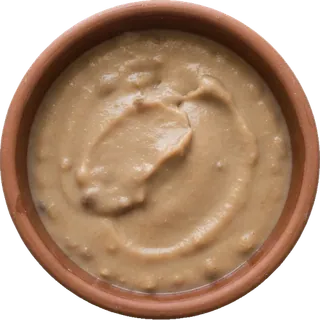
Hoşmer is a thick cornmeal paste toasted in fat until it smells of bread, then loosened with hot water into a smooth, pourable mash. It is the breakfast of the Hemşin highlands, made without the cheese that goes into muhlama.
How to order
Bir hoşmer alabilir miyim, tereyağsız olsun lütfen?
Ask before the pan is heated, since the butter is toasted into the cornmeal itself and cannot be removed afterward. The useful phrase is “tereyağı yerine ayçiçek yağıyla yapar mısınız?” — would you make it with sunflower oil instead of butter.
History
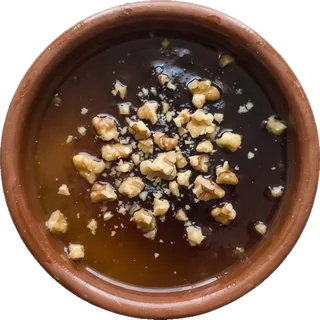
Hoşmer comes from the yaylas above Çamlıhemşin in Rize province, the summer pastures where Hemşin families move with their cattle between June and September. Cornmeal is toasted in a pan in hot fat until it turns a deep gold and gives off a toasted-bread smell, then hot water is worked in gradually until the mixture turns into a smooth, thick paste. It is eaten at breakfast, spooned onto bread, sometimes with honey or pekmez set alongside. The name hoşmer is used in both Hemshin and Turkish in the valley; the dish is often mentioned alongside muhlama and kuymak, the better-known cornmeal dishes of the eastern Black Sea, from which it is distinguished mainly by having no cheese in it.
The cornmeal and the water in the pan are plant matter from start to finish. The animal product enters as the butter the cornmeal is toasted in, melted into the pan before the cornmeal goes in, so the dairy is worked into the grain itself rather than added afterward. Nothing sits on top to be lifted off and nothing is spooned on at the table. The only point where this can be changed is before the pan is heated, by asking the cook to toast the cornmeal in sunflower oil or a plant margarine instead of butter; once the toasting has started, the fat is already in the dish.
Where to get it
Served in the yaylas around Çamlıhemşin, Rize, during the summer grazing season from June to September, and at a handful of breakfast places in the valley towns the rest of the year.