Jinzhen
Jinzhen is the unopened flower bud of the daylily, picked the day before it would open and dried, then soaked and cooked in soup or stir-fried. The buds come from Chike mountain above Yuli Township in Hualien.
How to order
老闆,我要一包無硫金針。
The dried buds themselves contain nothing animal; the question is the soup they go into, so ask whether the broth is pork-bone by saying 「湯頭是大骨熬的嗎?」 and ask for 無硫金針 if you want the unbleached kind.
History
Chike mountain rises to about 800 to 1,200 metres in the Coastal Range east of Yuli, with red clay soils and persistent cloud. Families moved there from Chiayi between the late 1950s and early 1960s and planted daylilies on a large scale, partly because the dried buds keep when typhoons cut the roads. Chike, together with Liushishi mountain in Fuli and Jinzhen mountain in Taimali, accounts for most of Taiwan's daylily area. Pickers work through the local-variety season from late July to mid-September, taking the buds before they open; the flower lasts a single day. The buds are then dried in the sun or in wood-fired and low-temperature driers.
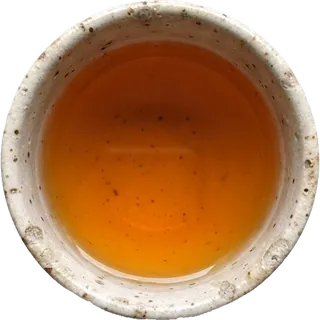
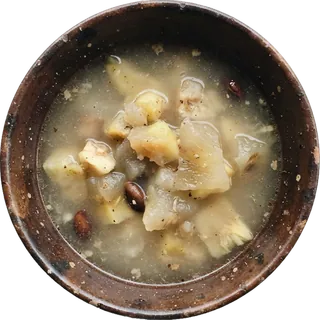
Dried daylily buds are a plant product with nothing added. Growers who dry without sulphur produce a darker brown bud and a darker broth, which traders long resisted, so the colour of an unbleached bud is a sign of processing rather than quality. The animal ingredient enters only in the cooking: the standard Taiwanese dish is jinzhen paigu tang, a pork rib soup, and that broth is the thing to replace. Soaked buds cook just as well in a plain vegetable stock with ginger, black fungus or tofu, and are stir-fried with sesame oil and soy sauce.
Where to get it
Farms on Chike mountain above Yuli sell dried buds directly, especially during the flower season in August and September, and the Yuxi District Farmers' Association sells sulphur-free buds from Yuli; some Chike growers also sell weekly at the Hualien Good Food Market.