Daechu
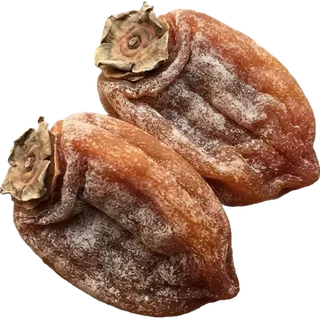
Fresh jujubes are dried in autumn sun until the skin wrinkles and darkens to a deep red, then boiled for tea, sliced thin over steamed rice cakes, or set whole on the ancestral memorial table. Boeun county in Chungcheongbuk-do and Gyeongsan in Gyeongsangbuk-do supply most of the national crop, harvested each September and October.
How to order
대추차 한 잔 주세요.
Daechu tea, syrup and rice cakes contain no meat, fish or egg to ask about, so the only thing to specify is what you want: a cup of tea, as in “대추차 한 잔 주세요.” If buying daechu dried and whole for a jesa or Chuseok table rather than as a drink, it is sold by the bag with nothing further to confirm.
History
Daechu (대추), the Korean jujube, grows on small thorny trees across the southern provinces; Boeun in Chungcheongbuk-do and Gyeongsan in Gyeongsangbuk-do are the two counties most associated with the crop. Farmers pick the fruit in early autumn and spread it on mats to dry until the flesh shrinks and the skin darkens to near black-red. Dried daechu is boiled into tea and syrup, pressed into sikhye, and set whole or sliced on the table for jesa, the ancestral memorial rite, where its one seed is said to mark the line of descendants, placed nearest the tablet reserved for ancestors of rank.
Daechu itself carries no animal product: it is a dried fruit, boiled into tea or syrup with nothing else added, and the rice cakes it tops are rice flour, sugar and water. None of the usual places animal product enters Korean cooking apply here — there is no kimchi paste needing jeotgal, no broth built on myeolchi-yuksu, no egg garnish. The only crossing point is downstream: daechu is also simmered inside samgyetang and galbijjim, meat and poultry dishes, where whole jujubes sit in the pot for flavor and are sometimes eaten alongside the meat, which is a separate dish rather than a hidden ingredient in the fruit itself.
Where to get it
Dried jujubes are sold by the bag at traditional markets and roadside stalls in Boeun, Chungcheongbuk-do, and Gyeongsan, Gyeongsangbuk-do, especially during the autumn harvest season in late September and October, a 1kg bag running about 15,000-25,000 won. Daechu-cha is on the menu year-round at traditional tea houses, priced around 5,000-7,000 won a cup.