Kanuchi
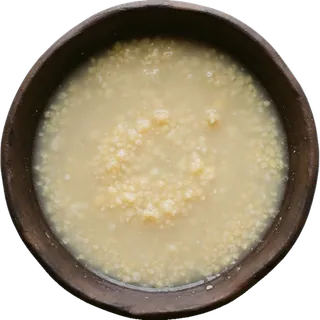
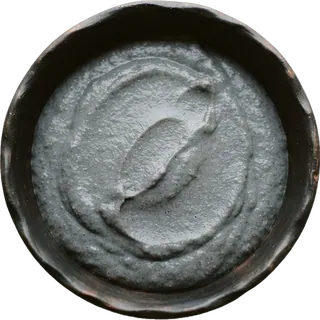
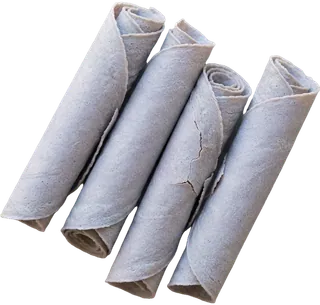
Hickory nuts, shell and all, are pounded to a paste, shaped into balls, then boiled and strained to release a rich oily broth that is poured over hominy. Cherokee cooks in Oklahoma and North Carolina make it for family meals, ceremonies and gatherings, a practice carried from the Southeast homelands before removal.
How to order
Could I get a bowl of kanuchi with hominy, please?
At a Cherokee community dinner or market stand, it's reasonable to ask the cook ‘is the hominy cooked in lard or meat stock?’ since the kanuchi broth itself is only nuts and water.
History
Kanuchi is made by Cherokee families in the Cherokee Nation around Tahlequah, Oklahoma, and by the Eastern Band of Cherokee Indians on the Qualla Boundary near Cherokee, North Carolina, continuing a practice documented among Southeastern nations before the 1830s removals along the Trail of Tears. Hickory nuts are gathered in autumn, cracked, and pounded whole in a mortar until the shell fragments and meat form one mass; this is rolled into balls that keep for months and are boiled as needed, the shells later strained out through a cloth or sieve. It is served over hominy at community dinners, stomp dances and family gatherings, and recipes are passed down within households rather than written.
The traditional dish carries no animal ingredient: the richness that coats the hominy comes from the oil pressed out of hickory nuts during straining, not from any dairy fat. Cherokee cooking of this period relied on nut oils, bear fat and plant foods rather than butter or cream, so kanuchi needed no substitution to remain plant-based. Where an animal product can enter American food more broadly is in what it is served alongside or in commercial hominy cooked in meat stock or lard; a diner at a general store or festival stand checks what the hominy itself was simmered in, since the kanuchi broth poured over it is, on its own, built entirely from nuts and water.
Where to get it
Served at Cherokee Nation cultural events and family dinners around Tahlequah, Oklahoma, and at the Eastern Band of Cherokee Indians' Qualla Boundary in North Carolina, especially at fall gatherings after the hickory nut harvest and at powwows and cultural demonstrations.