Sofkee
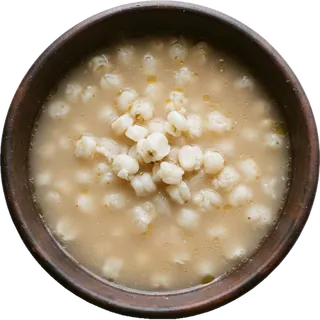
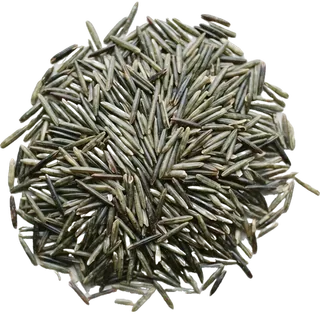
Cracked corn is simmered for hours with wood-ash lye until it sours into a thin, tangy gruel, then kept in a crock by the door to be ladled out and drunk or eaten throughout the day.
How to order
Could I get a cup of sofkee, please?
Sofkee itself is corn, water and ash, so there is nothing to clear with the cook, though if it's sold alongside frybread it's worth asking ‘is the frybread made with lard?’ since that's a separate item.
History
Sofkee is made by Muscogee (Creek) families in Oklahoma, where the nation relocated after removal from the Southeast in the 1830s, and the drink carries forward a corn-preparation method that predates that removal. Cracked corn is cooked for a long stretch with lye made from hardwood ash, which loosens the hull and starts the souring. The pot or crock sits near the door of the house, replenished rather than emptied, so family members and visitors ladle out a cup at any hour rather than at set mealtimes. Versions vary by household in how long the corn ferments and how thin it is kept.
The pot holds only corn, water and wood ash: no animal ingredient enters the traditional preparation, and the souring comes from fermentation, not from any added fat or stock. Where sofkee shows up today at Muscogee gatherings or powwow food stands next to fry bread and other sides, the corn drink itself stays as it was, but a diner sharing a plate should check whether the frybread or other accompaniments served alongside it were cooked in lard, since that's a separate dish on the same table, not part of the sofkee itself.
Where to get it
Sofkee is found in Muscogee households in Oklahoma and at Muscogee Nation gatherings, ceremonial grounds and powwow food stands, most often in warmer months when corn is fresh or recently dried.