Ker Sangri
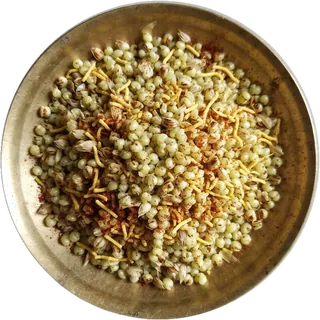
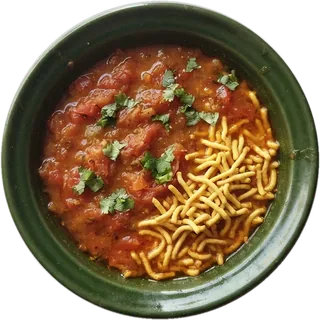
A thorny desert shrub's berries and the bean pods of the khejri tree, both sun-dried and then rehydrated and cooked in oil with red chilli and sour mango powder. Ker Sangri is a staple of Marwar, eaten through Jodhpur and the surrounding Thar region.
How to order
एक प्लेट केर सांगरी दीजिए।
Ker sangri is naturally vegan when cooked in oil, but many Marwari households and dhabas finish it with ghee for flavour, so it is worth checking before ordering. Ask the server ‘क्या यह घी में बनी है, या तेल में बना सकते हैं?’ to confirm whether ghee has been used or ask for it to be made in oil instead.
History
Ker is the small, round berry of the kair shrub (Capparis decidua) and sangri the long, thin bean pod of the khejri tree (Prosopis cineraria), both adapted to the low rainfall of the Thar Desert. In Jodhpur and across Marwar, households have gathered and sun-dried the berries and pods for generations, recorded as a regular part of both royal Marwari kitchens and ordinary farming households. The dried ker and sangri are soaked overnight, sometimes for days, then boiled before cooking. The finished dish is tart, earthy and chewy, and keeps for weeks once prepared, which has long made it a practical stock item in a region where dried and preserved foods form part of the everyday pantry.
The base recipe contains no animal ingredient: dried ker and sangri are rehydrated and simmered in plain vegetable oil, groundnut oil or mustard oil with red chilli, asafoetida, fennel and amchur, with no dairy or animal fat in that version. The one variable is the fat itself: some households and restaurants cook the everyday batch in ghee for a richer flavour, so a diner who wants the oil-only version should ask before ordering. A curd topping or raita is sometimes served alongside the dish as a separate item rather than mixed into the pot, so it is worth checking whether it is included on the plate.
Where to get it
Thali restaurants, dhabas and Marwari sweet-and-snack shops across Jodhpur serve it as part of traditional Rajasthani vegetarian thalis, and home kitchens prepare it from restocked dried ker and sangri after the monsoon season.