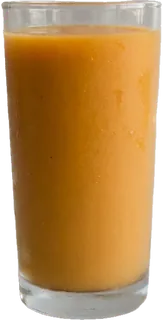
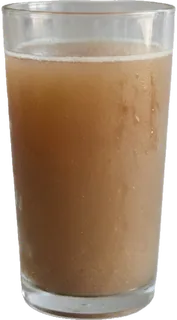
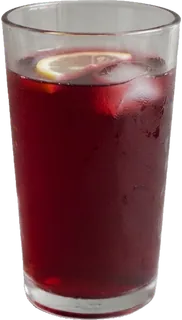
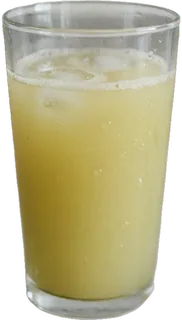
Khoshaf
Khoshaf brings together dried apricots, prunes, raisins and nuts, soaked overnight in water sweetened with sugar and sometimes rose water, until the fruit swells soft and the liquid turns into a light syrup.
How to order
ممكن كوباية خشاف لو سمحت
The dried fruit mix itself is plant-based by default; the only thing to check for is a restaurant adding cream on top, so ask ‘من غير قشطة لو سمحت’ if you want to make sure none is added.
History
Egyptian households prepare khoshaf during Ramadan, soaking the dried fruit and nuts the night before iftar so it is ready to serve cold at the end of the fast. Dried fruit and nut sellers in markets such as Cairo's Khan el-Khalili and in neighbourhood grocers put together ready-mixed khoshaf packets every year in the weeks before Ramadan, combining apricots, prunes, raisins, figs, almonds, pine nuts and hazelnuts in set proportions. Documented from twentieth-century Cairo onward, the dish is now sold and eaten across Egypt, in cities and villages alike, as a fixed part of the Ramadan table rather than an everyday dessert.
The classic bowl of khoshaf has no animal ingredient at all: dried fruit, nuts, water and sugar, occasionally with a few drops of rose water or orange blossom water. Cream is a late addition found in some modern restaurant versions, stirred in or poured on top just before serving, and it is not part of the standard recipe. A diner ordering khoshaf at a Ramadan stall or buying the dried mix from a shop gets a plant-based dish by default and only needs to ask if cream has been added, which is uncommon outside restaurants aiming for a richer presentation.
Where to get it
Khoshaf is sold mainly in the weeks before and during Ramadan, from dried fruit and nut shops, grocers' stalls and market vendors in cities and towns across Egypt; outside Ramadan it is less commonly found ready-made.