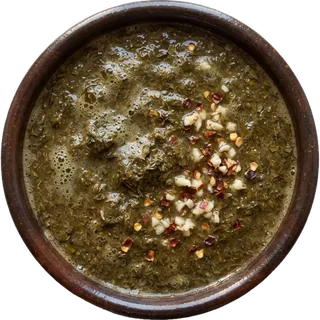
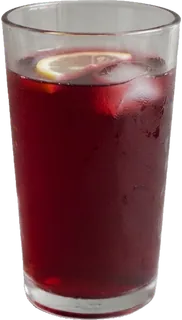
Doum
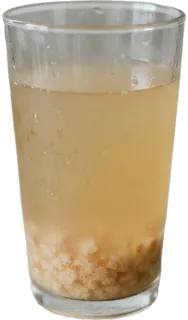
Doum juice comes from the dry, fibrous fruit of the doum palm, ground to a brown powder and steeped in water until it turns the color of gingerbread. Sold cold from carts and juice stalls in Aswan, it has an earthy, faintly sweet, nutty taste unlike other Egyptian fruit drinks.
How to order
ممكن كوب دوم لو سمحت
Standard doum juice is water-based and plant-only, but at stalls that also sell doum bil laban diners confirm by asking ‘ده بالميه ولا باللبن؟’ (is this with water or with milk?) before ordering.
History
Doum palm (Hyphaene thebaica) grows along the Nile south of Qena, concentrated around Aswan and Nubia, and extends into Sudan. Its fruit is harvested dry, husked, and the fibrous pulp ground into powder. Households and juice shops in Aswan and Daraw prepare doum juice by steeping the powder in water, sometimes with sugar, then straining it. The drink is sold at juice bars alongside karkade and tamarind, documented as a fixture of Aswan's riverside stalls through the twentieth century. The Sudanese community around Aswan and Daraw also sells it, part of a trade in doum fruit that moves along the river between Egypt and Sudan.
The water-steeped version contains only doum fruit powder, water and sugar; no animal ingredient enters at any stage of grinding, steeping or straining. A separate preparation, doum bil laban, adds milk to the strained liquid for a creamier, paler drink, but this is a variant rather than the standard juice. A stall selling plain doum juice pours the plant-only version by default; where the same cart also offers doum bil laban, the vendor keeps milk apart and adds it only on request.
Where to get it
Doum juice is sold from juice carts and small shops in Aswan's market streets and along the Nile corniche, and at stalls in Daraw and Nubian villages; it is available year-round, served cold.