Shalolo
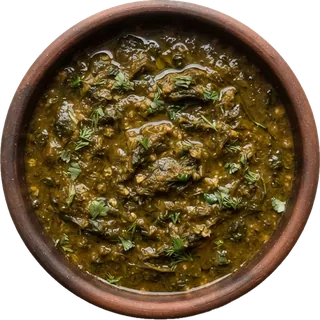
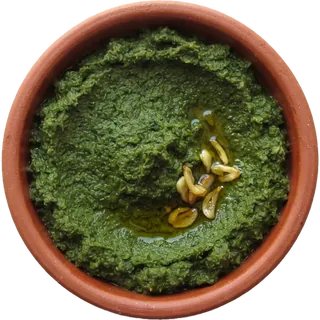
Dried molokhia leaves are rubbed by hand into cold water with garlic, lemon, cumin and chilli until the water turns thick and green. The result is eaten raw, straight after mixing, in Aswan and Luxor households during Coptic fasting periods.
How to order
ممكن شلولو لو سمحت؟
In Aswan and Luxor, shalolo is normally made with water alone, so no special request is usually needed; a diner who wants to be sure can still ask ‘ده معمول بميه بس؟’ (is this made with just water?).
History
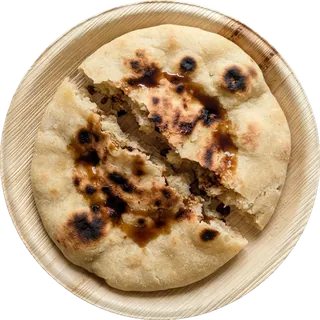
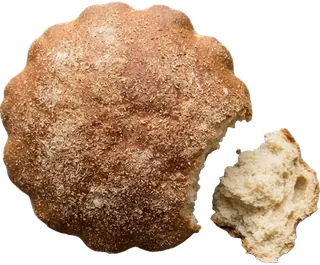
Shalolo is documented from Saidi households in Aswan and Luxor, where dried molokhia leaves are kept from the summer harvest and used through the year. Families crush the dried leaf and work it into cold water by hand, without heating it, adding garlic, lemon juice, cumin and dried chilli until the mixture turns thick and dark green. It is prepared and eaten the same day, usually alongside bread, and is associated with Coptic fasting periods when cooked meat and poultry broth are set aside. The dish is also known among Nubian communities of Aswan, where dried molokhia is kept in the same way for lean days.
The Aswan and Luxor version of shalolo contains no animal product: cold water, garlic, lemon, cumin, chilli and the dried leaf itself. This is what makes it suited to Coptic fasting, when broth, samna and other animal fats are removed from cooking. The same dried molokhia leaf is used elsewhere in Egypt beaten into chicken or meat broth and cooked over heat, a different dish from the same raw material. A diner ordering shalolo should check that no stock cube or broth has been stirred in to thicken it outside the fasting season, though this is not standard practice in Aswan.
Where to get it
Shalolo is made at home in Aswan and Luxor rather than sold ready-made; it appears on household tables during Coptic fasting periods and can sometimes be found in small Nubian-run eateries in Aswan that serve fasting dishes by request.