Jakoud
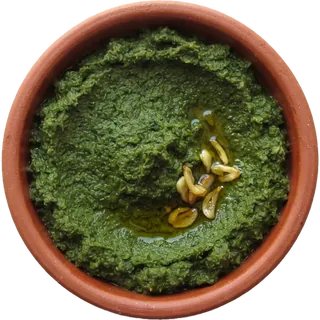
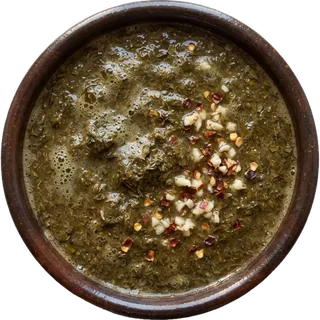
A Nubian stew from Aswan combines spinach or molokhia with dried ground okra, coriander and dill, simmered until the leaves break down into a thick, earthy sauce served over rice or with bread.
How to order
ممكن الجاكود بمرقة خضار مش لحمة أو فراخ، لو سمحت
Ask whether the leaves were cooked in meat or chicken broth, since that is the usual method, and request ‘بمرقة خضار مش لحمة’ to have it made with vegetable stock instead.
History
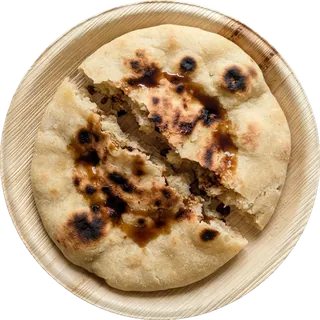
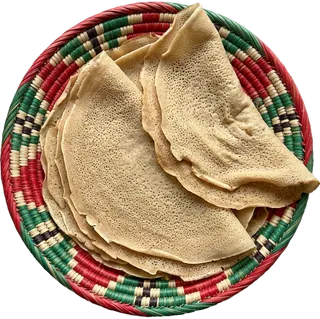
Jakoud is cooked in Nubian households around Aswan, particularly in villages resettled after the 1960s construction of the Aswan High Dam, when the reservoir flooded the original riverside settlements. The dish uses either fresh spinach or molokhia leaves, cooked down slowly with dried ground okra, coriander and dill until the mixture thickens into a dense, dark green stew. It is typically ladled over rice or eaten with flatbread, and appears regularly in home cooking rather than as a restaurant specialty, documented in Nubian culinary accounts from Aswan and the resettlement villages along the Nile.
The standard version of jakoud is cooked with the leaves simmered in meat or chicken broth, which gives the stew its depth, and a stock cube is sometimes added for the same reason. A vegetable-stock version is only a matter of asking, not a separate recipe: cooks substitute water or vegetable broth with the same spices and timing, so the dish's texture and taste tags - earthy, savoury, fresh - come through on the plant-based request as well. Butter is not typically used in jakoud itself, so broth is the main thing to check for at a counter or when ordering from a household kitchen in Aswan.
Where to get it
Jakoud is mostly home-cooked rather than sold from carts, found in Nubian households in Aswan and the nearby resettlement villages, and occasionally offered by small family-run eateries serving Nubian food in the city.