Kisra
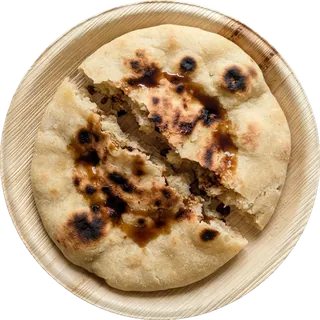
Kisra is a thin fermented sorghum flatbread cooked on a flat metal plate, made by Sudanese households in Daraw and Aswan who settled along the river trade routes south of the dam. The batter sours over a day before it is poured thin and cooked quickly on each side.
How to order
ممكن كسرة والشوربة بزيت مش سمنة، لو سمحت؟
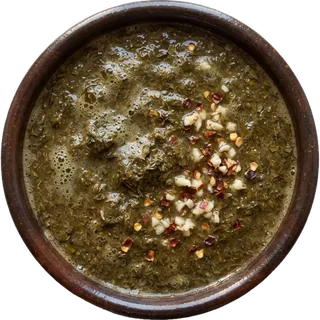
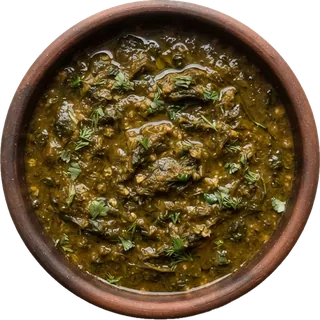
Kisra itself is plain sorghum and needs no adjustment, but the stew served with it may carry chicken stock or ghee; ask for it ‘بزيت مش سمنة’ to be sure the sauce uses oil.
History
Kisra is made by Sudanese families living in Daraw and around Aswan, a community built up through generations of trade and labor migration along the Nile between Sudan and Upper Egypt. Daraw has long served as a market town for goods, including camels, moving north from Sudan, and Sudanese residents there have kept kisra as a daily bread rather than a dish reserved for occasions. Cooks mix sorghum flour with water and a portion of an older batter as starter, leave the mixture to ferment for about a day, then pour it thin onto a hot flat plate and cook it briefly on each side. It is sold from stalls in Daraw's market and eaten with stewed vegetables, lentils, or dried okra sauces.
Kisra contains nothing beyond sorghum flour, water, and the fermented starter carried over from a previous batch; no fat is added to the batter and none is needed on the plate, since the dough itself contains enough moisture to keep it from sticking. The accompanying sauces are where animal content can enter: broth-based okra or lentil stews sometimes use chicken or meat stock, and some households add ghee to vegetable stews served alongside the bread. The bread itself requires no change for a plant-based diner; the question is always the stew it is dipped into, not the kisra.
Where to get it
Kisra is made at home and sold from a handful of stalls and small eateries in Daraw's market, and occasionally from Sudanese-run stands near the Aswan corniche; it is less common as a restaurant item than as a household bread.