Karkade
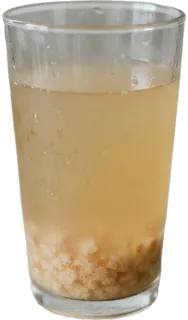
Dried calyces of Hibiscus sabdariffa, grown in the fields around Aswan and Qena, are steeped in hot water until the liquid turns a deep red. The result is served hot with sugar in winter or chilled over ice in summer, poured from large jugs at juice stalls across Upper Egypt.
How to order
كوباية كركديه لو سمحت
Karkade is plant-based as standard, but if it is already prepared and sweetened, ask what sweetener was used since a few stalls substitute honey for sugar: ‘بسكر مش عسل؟’
History
Hibiscus sabdariffa has been grown commercially in Upper Egypt, particularly around Aswan, Kom Ombo and Qena, since at least the nineteenth century, when British-era trade records list dried karkade calyces as an export crop from Sudan and southern Egypt. Aswan's markets still sell the dried flower by weight alongside other dried goods, and growers in the surrounding villages supply both local juice stalls and the national market. The drink is offered to wedding guests and visitors as a welcome drink, and it is sold hot from stalls and cafes in winter and iced, sometimes with lemon, in summer.
The standard preparation is dried hibiscus calyces boiled or steeped in water and sweetened with sugar; no animal ingredient is part of the traditional recipe, and karkade is naturally vegan as sold at juice stalls, grocers and cafes throughout Egypt. The one point worth checking is the sweetener rather than the base drink: a few cafes and tourist-facing stalls sweeten it with bee honey instead of sugar, which is not part of the traditional version and is worth asking about if it matters to the drinker.
Where to get it
Dried calyces are sold by weight in Aswan's market stalls and grocers, and the brewed drink is served at juice stalls and cafes across Aswan, Kom Ombo and Abu Simbel, hot in winter and iced in summer.