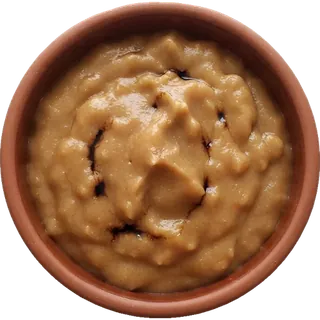
Kızıldamlar Kestane Kabağı
Kızıldamlar kestane kabağı is a winter squash grown in the village of Kızıldamlar in Bilecik province, named for its dense, dry, chestnut-like flesh. The rind is thick, ridged and dark green, and the flesh turns deep orange once cooked.
How to order
Bir kestane kabağı tatlısı alabilir miyim, lütfen?
Confirming whether the squash is baked with butter or vegetable oil settles the first question. Saying “kaymaksız olsun lütfen” (without kaymak, please) rules out the cream usually spooned on top.
History
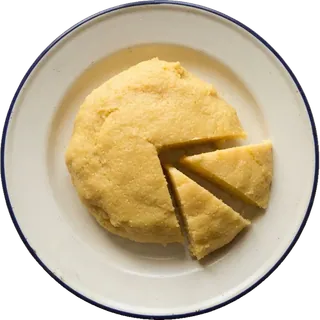
The squash is grown in Kızıldamlar, a village in the Söğüt district of Bilecik province in northwestern Turkey, and registered as a geographical product under that name. Farmers plant it in spring and harvest it in October, once the rind has hardened enough for winter storage. In Turkish it is called kestane kabağı, chestnut squash, for the dry, mealy texture of its flesh, close to a roasted chestnut. Cooks in Bilecik bake it whole or in halves, mash it into a dessert called kabak tatlısı, or cut it into soup. Walnuts, sugar and cinnamon are common additions once the flesh has softened.
Everything inside the squash is plant: the flesh, the seeds, the skin. The animal product, where it appears, comes from outside the vegetable itself, in one of two places. One is butter, brushed over the halves before baking or worked into the mash to round out the flavor. The other is kaymak, clotted cream, spooned over the finished dessert at the table. Both additions happen after the squash is already cooked or nearly so, which means the matter can usually be settled by asking at the stove or at the table: whether the fat is butter or oil, and whether kaymak goes on top or stays off.
Where to get it
Bilecik's Söğüt district, especially the village of Kızıldamlar, grows the squash and sells it at roadside stalls through October and November. Bakeries and lokantas in Bilecik center serve it baked or as tatlı through the winter months.