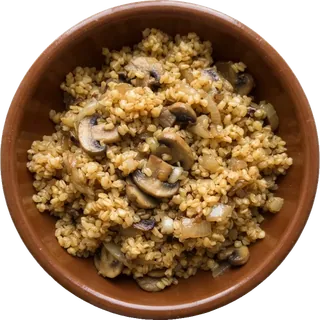
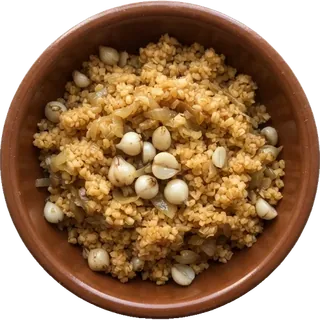
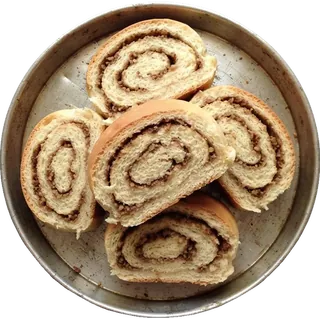
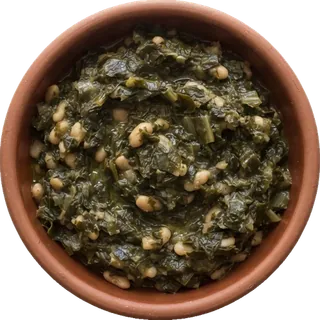
Omaç
Omaç is a thick porridge made by toasting flour in hot fat until it turns golden and smells of toasted nuts, then thinning it with water or grape molasses into a smooth, spoonable paste.
How to order
Bir omaç alabilir miyim, tereyağı yerine sıvı yağ ile yapılsın lütfen?
Ask whether the flour was toasted in tereyağı (butter) or sıvı yağ (vegetable oil), and whether süt (milk) replaced the water. Request that it be made “sıvı yağla ve suyla” if a plant-based version is wanted.
History
Omaç comes from the villages of Kırıkkale and the wider Central Anatolian plateau, where it is made at home, usually by women preparing a fast supper or a breakfast on cold mornings. It is built from almost nothing: flour, a cooking fat, and water, with pekmez stirred in where a grape harvest has left a jar of it in the pantry. The flour is tipped into hot fat in a wide pan and stirred without stopping until it browns and turns fragrant, then water or thinned pekmez is poured in and worked through until the mixture thickens into a soft paste. Local names for it include un omacı and kavurma omaç, depending on the village and the household.
Everything that starts in the pan is plant food: flour, water, and pekmez. The animal product is the fat the flour is toasted in, almost always butter, and in some houses the water itself is replaced with milk, which thickens the omaç further and rounds off its edge. Both decisions are made at the stove, before the dish is spooned into a bowl, so asking at the table changes nothing. What has to be settled is which fat went into the pan and whether milk stood in for water, and that can only be confirmed with whoever is cooking, not adjusted once the omaç is in front of someone.
Where to get it
Omaç is eaten in Kırıkkale and nearby Central Anatolian villages, mostly in home kitchens rather than restaurants, through the colder months when pekmez from the autumn grape harvest is on hand.