Nokul
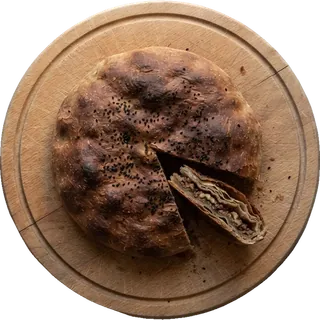
Nokul is a rolled pastry from Sinop, on the Black Sea coast, made by spreading a yeasted dough with walnut or tahini and sugar, coiling it, and cutting it into thick rounds before baking.
How to order
Tereyağsız ve yumurtasız nokul var mı, lütfen?
Ask before buying, since the rounds are baked ahead and displayed finished. Saying “tereyağsız ve yumurtasız” (without butter and without egg) tells the counter to point to a batch made with oil and without a glaze, if one exists that day.
History
Nokul comes from Sinop province, where home cooks and neighborhood bakeries make it for breakfast and for guests with tea. The dough is flour, water, sugar, and yeast or baking powder, worked until elastic, then rolled thin and spread with crushed walnuts or tahini mixed with sugar, sometimes with a little cinnamon. The sheet is coiled into a log, the log is sliced crosswise into thick rounds, and the rounds are laid flat and baked until the spiral shows gold and brown. Some households and bakeries in the province call it by the same name across Turkish-speaking Sinop; it travels under no separate Laz or local-dialect name in most records, unlike some other Black Sea pastries.
The dough, the walnuts or tahini, and the sugar filling are all plant. Butter enters when it is worked into the dough during lamination, giving the layers their separation, and again sometimes brushed between folds before rolling. Egg enters as a wash brushed over the tops of the rounds just before baking, for color. Both happen in the kitchen or bakery, before the pastry is sold, not at a table where a diner could wave something off a plate. Because the rounds are usually baked in batches ahead of time and displayed finished, settling the question means asking the bakery which batch used oil instead of butter and went unglazed, not adjusting what is already on the tray.
Where to get it
Bakeries and pastry shops in Sinop sell it year-round, most often in the morning with tea, and it appears more heavily around winter visits and holidays.