Longxucai
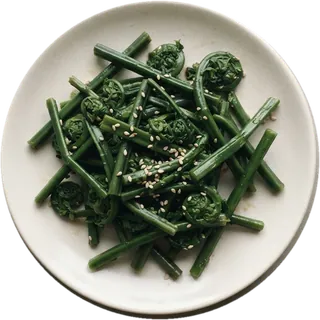
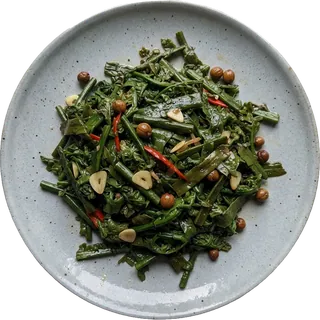
Longxucai is the tender shoot of the chayote vine, cut at about fifteen to twenty centimetres with its curling tendril attached and stir-fried quickly with garlic. Shoufeng is one of the two Hualien townships that market it in volume.
How to order
老闆,清炒龍鬚菜,謝謝。
A plain garlic stir-fry contains nothing animal; the doubt is a blanched-and-dressed plate finished with fried shallot crisps, which are often fried in lard, so say 「不要加油蔥酥」 if it arrives that way.
History
Chayote is grown for two crops at once: the pear-shaped fruit, planted whole on raised mounds in January with deep drainage furrows because the plant will not tolerate standing water, and the young vine tips, which are what longxucai means. Shoots are cut every three days in summer and up to every ten days in winter, and can be taken all year, with the main season in April and May. Shoufeng and Ji'an are the two Hualien townships that send vegetables to the Taipei wholesale market through joint marketing, with chayote shoots the largest item; growers cut before dawn while the shoots still hold dew and send them north under refrigeration.
The standard plate is plant-based: shoots, oil, garlic, a splash of rice wine and salt, cooked fast so the stems stay crisp. The vegetable is vigorous and little troubled by pests, so it is often grown with little or no spraying. Two points are where an animal ingredient can enter. If the greens are blanched rather than stir-fried and dressed at the counter, the dressing often includes fried shallot crisps, which are frequently fried in lard; and some kitchens add small dried fish to the wok for depth. Asking for a plain garlic stir-fry avoids both.
Where to get it
Grown in Shoufeng and neighbouring Ji'an and sold in Hualien markets all year, with most volume in April and May; the two townships' farmers' associations ship it to the Taipei wholesale vegetable market daily under refrigeration.