Lubia bi Zeit
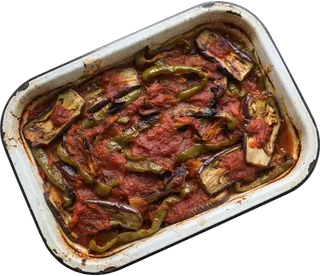
Lubia bi zeit is black-eyed peas stewed in vegetable oil with tomato, garlic and coriander, then cooled and served at room temperature. It belongs to Egypt's "bi zeit" repertoire of pulses and vegetables cooked in oil rather than samna, common on home tables and in Coptic fasting kitchens.
How to order
ممكن طبق لوبيا بزيت لو سمحت
Lubia bi zeit is naturally plant-based, but cookshops also sell lubia bil lahma made with meat broth, so confirm which one is in front of you by asking ‘ده لوبيا بزيت ولا بلحمة؟’.
History
Lubia bi zeit is cooked across Cairo, Alexandria and Upper Egypt as part of the wider group of dishes described as siyami, suited to the Coptic Orthodox fasting calendar, which excludes meat, poultry, fish, eggs, milk and samna on fasting days through much of the year. Cookshops and home kitchens prepare large pots of it ahead of time, since it is meant to be eaten cold or at room temperature rather than hot. The same black-eyed peas appear in foul and taameya shops and on mezze tables outside fasting periods as well, where the dish sits alongside other oil-based vegetable stews such as bamia bi zeit and fasolia bi zeit.
The oil version contains nothing from an animal: the peas are cooked in vegetable oil with tomato, garlic, coriander and often cumin, and no samna, broth or stock cube is needed to carry the flavor. The same black-eyed peas are also simmered in meat broth as lubia bil lahma, a distinct dish rather than a variant of this one, so the two are ordered separately rather than one substituting for the other. In home kitchens outside the fasting calendar a cook may still add a spoon of samna for richness or a chicken stock cube for depth, so the plain oil version is the traditional standard but not the only one in circulation.
Where to get it
Found at foul and taameya counters, neighborhood cookshops, and on cold mezze spreads in Cairo and Alexandria, and especially common during Coptic fasting periods such as Lent.