Makhrouta
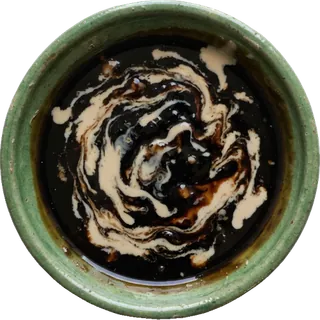
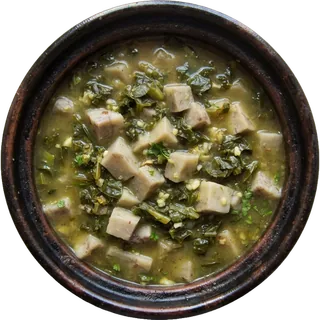
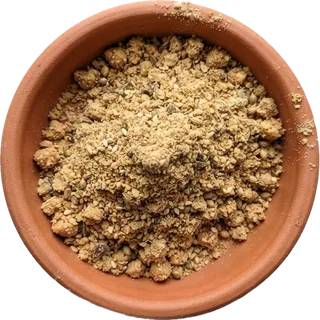
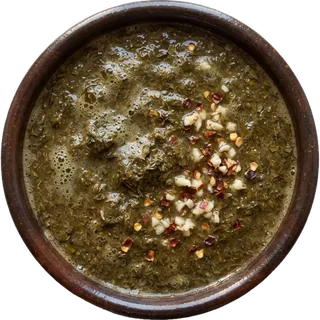
Makhrouta is strands of wheat dough, rolled by hand, cut long, and dried in the sun before being steamed and finished with a dusting of sugar.
How to order
ممكن مخروطة لو سمحت؟
Since makhrouta is plain dough, water and sugar, it usually needs no special request, but it is worth asking ‘فيه حاجة تانية في الأكلة؟’ (is there anything else in this dish?) if a household version adds butter or molasses on top.
History
Makhrouta is made in villages around Sohag and Asyut, in Upper Egypt, where households mix wheat flour, water and salt into a dough, roll it by hand into long strands, and set it out to dry in the sun. Once dry, the strands are steamed, then dusted with sugar before serving. The dish is documented as a staple of Saidi households, prepared for daily meals and for guests, and tied to the dry, sun-exposed climate of Upper Egypt, which suits the drying step. It is made at home rather than sold commercially in most towns, passed down within families as a practical way to store dough strands before cooking.
Makhrouta is naturally vegan. The dough is wheat flour, water and salt; the only other ingredient is the sugar dusted on after steaming. No broth, samna, milk, cream or egg enters the recipe at any stage, and no animal fat is used in the steaming step in the standard method. The dish meets Coptic fasting rules without substitution, since the base recipe never included any animal product. The main thing to check when eating it outside the home is sugar quality, and whether a particular household has added a finishing touch such as cane molasses or ghee.
Where to get it
Makhrouta is mostly a home-prepared dish in villages around Sohag and Asyut; it is not generally sold in restaurants or street stalls, though some local markets in Upper Egypt sell the dried strands for households to steam themselves.