Mungunzá
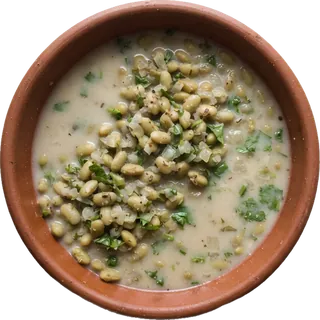
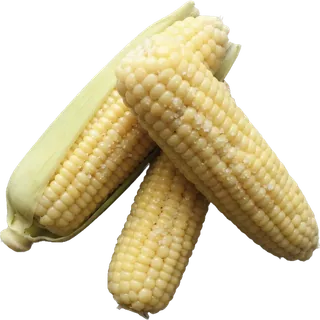
Dried white corn kernels, sold as milho de canjica, simmered for hours with cinnamon sticks and sugar until the grains split open and the broth thickens. The pot is finished with coconut milk or cow's milk and eaten hot from bowls in the evening, at festa junina stalls and in home kitchens across Pernambuco and Alagoas.
How to order
Pode ser um mungunzá de leite de coco, sem leite de vaca, por favor?
Settling whether the broth is finished with “leite de coco” or “leite de vaca” is the only real question, since both appear at festa junina stalls in Pernambuco and Alagoas, and the sale runs entirely in Portuguese. If a vendor is working from a single pot already simmering with cow's milk or condensed milk, asking changes nothing at that point, so the safer move is to ask in advance whether a separate coconut-milk batch exists.
History
Mungunzá is a Portuguese word drawn from Bantu languages brought to Brazil by enslaved people from West Central Africa; in some households and stalls in Pernambuco and Alagoas it is also called canjica branca, though farther south canjica usually names a different dish made with grated fresh corn. Cooks soak dried white corn kernels overnight, then simmer them for two or three hours with cinnamon sticks and sugar until the grains burst and release their starch into a thick broth. Vendors set up pots at festa junina stalls through June, in towns such as Caruaru and Maceió, and households make it at home through the cooler months, ladling it hot into bowls in the evening.
The hominy, water, cinnamon and sugar are plant throughout. Coconut milk, also plant, is the Northeastern favourite for finishing the broth, but cow's milk and condensed milk are the usual alternative and go into the pot during the simmering, not stirred in afterward at the table. That timing is the point to settle: once a pot has been simmering for two hours with cow's milk already in it, asking at the counter changes nothing, so the question has to be put before the pot is finished, or a separate coconut-milk batch has to be confirmed in advance.
Where to get it
Festa junina stalls and quadrilha grounds through June in towns across Pernambuco and Alagoas, including Caruaru and Maceió, plus home kitchens year-round; a bowl runs about R$6 to R$12.