Moqueca de Banana-da-Terra
Thick rounds of banana-da-terra, the plantain, stewed in coconut milk and dendê oil with onion, tomato and coriander, simmered in a wide pan until the fruit turns soft and dense. The dish is a staple of quilombola kitchens along the Alagoas and Bahia coast. It is bought at family-run restaurants and market stalls in União dos Palmares and in Bahia's Recôncavo towns.
How to order
Essa moqueca de banana leva camarão seco ou é só de vegetal, por favor?
The transaction runs in Portuguese. Asking “tem camarão seco?” before ordering settles it, since the shrimp goes into the pan at the start of cooking and cannot be picked out once the stew is done. At quilombola kitchens and family restaurants a plain “só vegetal, por favor” when ordering is usually enough to get the version without it.
History
Moqueca de banana-da-terra takes its name from moqueca, a Portuguese word for a stewed dish cooked in oil, and banana-da-terra, the plantain itself. The dish is associated with União dos Palmares in Alagoas, the town that grew up near the site of Quilombo dos Palmares, founded in the seventeenth century by people who had escaped enslavement, and it is also cooked along the Recôncavo coast of Bahia. Quilombola cooks slice the plantain thick, simmer it slowly in dendê oil and coconut milk with onion, tomato, garlic and coriander until the fruit softens, and serve it as a main course with rice. It appears on family tables, at community gatherings, and on the menus of small restaurants in both regions.
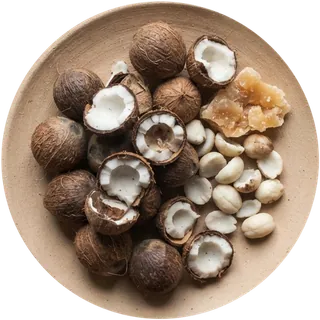
Every ingredient in the base of the stew is plant: coconut milk pressed from grated coconut, dendê oil rendered from the fruit of the oil palm, plantain, onion, tomato and coriander. Animal product enters only when a cook adds dried shrimp, camarão seco, to the same pan, a choice made before the stew goes on the fire, not at the table. Because the shrimp is stewed in from the start, asking afterward changes nothing; what has to be settled is whether camarão seco went into the pot when it was started, and that question needs asking at the counter or in the kitchen before the moqueca is served, not once the plate arrives.
Where to get it
Family-run restaurants and quilombola community kitchens in União dos Palmares, Alagoas, and along the Recôncavo coast of Bahia, including towns such as Maragogipe and Cachoeira, serve it year-round for roughly R$20 to R$35 a portion.