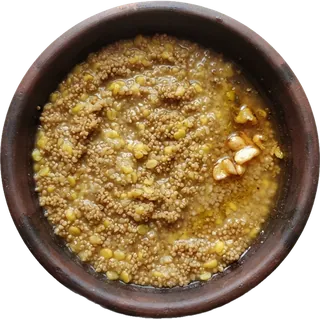
Pakhala Bhata
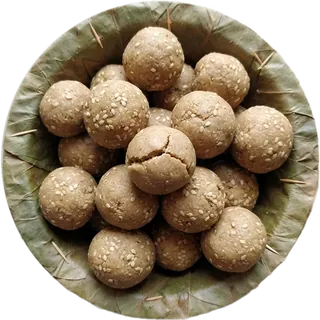
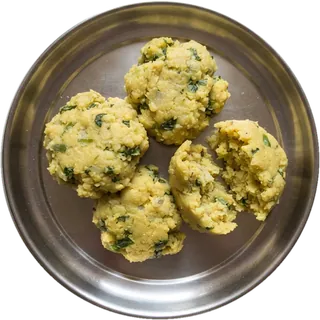
Cooked rice soaked overnight in water inside an earthen pot until it turns faintly sour, then served with salt, mustard oil and a tempering of kadi patta and dried red chili. Cuttack households eat it through the hot months, often alongside fried vegetables and dried lentil dumplings.
How to order
ଗୋଟିଏ ପ୍ଲେଟ୍ ପଖାଳ ଭାତ ଦିଅନ୍ତୁ।
At a stall or mess, ask ‘ଏଥିରେ ଦହି ଅଛି କି?’ to make sure you get plain or basi pakhala rather than the dahi version, and check that the tempering is finished with mustard oil rather than ghee.
History
In Cuttack and across coastal Odisha, cooked rice is covered with water and left in an earthen pot from one evening to the next morning, where natural fermentation turns the liquid faintly sour. The dish is recorded as everyday food in Odia households, eaten chiefly between March and June when the fermented water cools the body in the heat. Street stalls, roadside messes and home kitchens all prepare it, and the state marks March 20 as Pakhala Dibasa, a day set aside to recognise pakhala bhata as a regional staple. It is usually eaten with salt, a mustard-oil tempering, fried vegetables and dried lentil dumplings.
Plain pakhala, also called basi pakhala, contains no animal ingredient at any stage: rice, water and salt ferment together, and the tempering is made with mustard oil, mustard seeds and kadi patta. A separate version, dahi pakhala, adds dahi (curd) stirred into the soaked rice instead of plain water, which makes it lacto-vegetarian rather than vegan. Diners who want the plain version should ask specifically for basi pakhala or plain pakhala and confirm that no dahi has been mixed in and that the tempering uses oil rather than ghee, since some messes finish the tempering with ghee for flavour.
Where to get it
Found at roadside messes, tiffin stalls and home kitchens across Cuttack, especially through the hot months of March to June and around the March 20 Pakhala Dibasa observance, usually served alongside fried vegetables and dried lentil dumplings.