Piragua
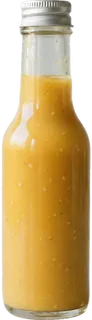
Piragüeros push wooden handcarts through San Juan's plazas, planing ice from a block with a hand plane into a paper cone, then soaking it in syrup poured from glass bottles lined up along the cart's edge.
How to order
Una piragua de parcha, por favor.
Ask for the syrup ‘sin lechera’ if the cart offers condensed milk on top, since the ice and syrup alone are already plant-based.
History
Piragüeros have sold piraguas from handcarts in San Juan since at least the early twentieth century, stationed outside plazas, parks and schools across Puerto Rico. Each cart carries a block of ice, a hand plane to shave it into a paper cone, and rows of glass bottles filled with fruit syrup — tamarindo, parcha, coco, china, limón. The vendor works standing beside the cart through the heat of the day, planing ice to order and pouring syrup over each cone before handing it across. The trade is largely informal, passed within families, and remains common on weekends and during summer festivals in Old San Juan and beyond.
Piraguas are naturally plant-based: the ice is water, and the syrups are sugar boiled down with fruit pulp or juice — tamarind, passion fruit, coconut, orange, lime — with no dairy or egg in the base recipe. The one place dairy can turn up is at the cart itself, where some piragüeros offer a drizzle of sweetened condensed milk, leche condensada, poured over the syrup as an extra topping, a habit borrowed from flavored-ice traditions elsewhere in Latin America. Ordering the syrup alone, without that topping, keeps the piragua exactly as it has always been: ice and fruit, nothing else added at the counter.
Where to get it
Piragua carts are set up along plazas and parks in Old San Juan and throughout Puerto Rico, especially in summer heat and during local festivals; some stands also appear outside schools after dismissal.