Sofrito
A hand-ground purée of culantro, ají dulce, garlic, onion and cubanelle pepper, worked to a thick green paste that goes into the pot before the rice, the beans or the stew ever touch heat.
How to order
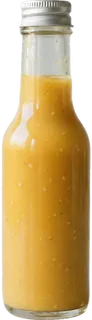
¿Me da un frasco de sofrito casero, por favor?
Ask whether the beans or rice that follow are cooked ‘sin tocino’ or ‘sin jamón’, since the sofrito itself never contains meat.
History
Puerto Rican home cooks in San Juan and across the island grind sofrito fresh in batches, pounding culantro, ají dulce, garlic, onion and pepper in a pilón or running them through a blender, a method passed down through families since at least the early twentieth century. Cooks make enough for a week or two at a time, storing it in jars or freezer bags, because nearly every savoury dish on a Puerto Rican table starts with a spoonful of it: rice, habichuelas, asopao, pasteles and stews. In the diaspora, in New York and Florida, Puerto Rican households keep the same practice, substituting culantro with cilantro when it is not available.
Sofrito itself holds nothing from an animal: culantro, ají dulce, garlic, onion and pepper, ground or blended with no fat added at this stage. The animal product in Puerto Rican cooking enters after the sofrito is made, when it goes into a pot of habichuelas, arroz or stew alongside salt pork, ham hock or bacon for flavour, or when the rice is cooked in chicken stock instead of water. A diner ordering rice and beans or a Puerto Rican stew settles this at the point of the dish, not at the sofrito, by asking whether the pot holds meat or stock.
Where to get it
Sold fresh or jarred at the Plaza del Mercado de Santurce and other public markets in San Juan, at roadside produce stands across Puerto Rico, and in Puerto Rican grocery stores on the mainland year-round, with demand peaking around Christmas when households cook large pots of pasteles and rice.