Tostones
Green plantain, still starchy and unripe, is sliced thick, fried until barely golden, flattened with a press or the side of a jar, then returned to the oil until the edges crisp and shatter, salted straight from the pan.
How to order
Una porción de tostones, por favor.
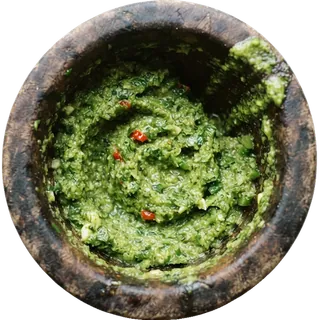
Ask for them ‘con mojo’ rather than with mayo-ketchup if avoiding egg, and confirm the frying fat by asking ‘¿frito en aceite vegetal?’
History
Tostones are a staple of Puerto Rican home kitchens and fondas, where green plantains are fried twice to a dish eaten with nearly every meal. Puerto Rican cooks have prepared them this way since at least the nineteenth century, a method inherited from plantain cooking across the Caribbean and West Africa, where the fruit arrived through Spanish colonial trade routes. In Puerto Rico and in diaspora communities in New York, Chicago and Orlando, tostones appear alongside rice and beans, mofongo, or as a side to roast pork, fried at food stands, cafeterias and family stoves alike, often pressed with a wooden tostonera kept in the kitchen drawer for exactly this purpose.
The tostones themselves are plantain, oil and salt, with no animal ingredient in the frying itself. In Puerto Rican and diaspora kitchens the question lands on what rides alongside: a dip of mayo-ketchup, made with egg-based mayonnaise, is common at food trucks and lunch counters, while a garlic mojo of olive oil, garlic and vinegar contains none. Frying fat can also vary — most cooks today fry in vegetable or corn oil, though some home kitchens have historically kept a jar of lard for frying root vegetables and plantains alike. A diner confirms the oil and asks for mojo rather than mayo-ketchup if avoiding egg.
Where to get it
Found at Puerto Rican fondas, food trucks and lechoneras across the island and in diaspora neighborhoods of New York, Chicago and Orlando, year-round, and especially at roadside stands during island festivals and Puerto Rican Day parades.