Pynappel
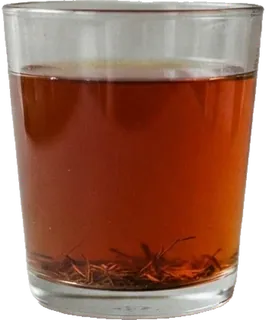
Grown in the sandy, acidic soil around Bathurst and East London — ground too poor for most other crops — and sold whole from the backs of bakkies along the coast road. Skins and offcuts go into a sugar-and-yeast ferment known as pineapple beer, drunk cold at New Year gatherings across the Eastern Cape.
How to order
Ndicela iphayinaphu, enkosi.
Nothing needs confirming: a pineapple is only ever fruit, and the home-brew is just as plain, so the phrase is asked straight, not qualified — “Ndicela iphayinaphu, enkosi” works at any roadside stall, where the exchange usually runs in isiXhosa or Afrikaans rather than English.
History
Pynappel is Afrikaans for pineapple, and in isiXhosa the fruit is iphayinaphu, a straight loan from English since there was no indigenous name for an introduced crop. The pineapple took hold on the sour, sandy ground around Bathurst, Port Alfred and East London after British settlers were planted on land taken from Xhosa communities during the nineteenth-century frontier wars; the coastal strip proved too poor and acidic for maize or wheat but suited pineapple well. Farms there, worked today largely by Xhosa labourers, still supply the fruit sold whole off bakkies along the N2 and R72, a roadside trade that has outlasted most of the district's other crops.
The pineapple itself is fruit, nothing else. The home-brewed beer made from it is just as plain: pineapple skin and offcuts, water, sugar and yeast, left in a sealed container for two or three days until it turns sharp and faintly fizzy. No milk, egg, gelatine or animal fat enters at any stage of growing, selling or brewing, so there is nothing to confirm beyond making sure a shop-bought bottle sold alongside it hasn't been blended with something else.
Where to get it
Roadside stalls and parked bakkies along the N2 between Bathurst and East London, Eastern Cape, selling fruit by the piece or the dozen for about R10 to R20 each through the late-summer harvest; the beer itself is not sold commercially, brewed at home and poured out at Christmas and New Year gatherings on the farms.