Itolofiya
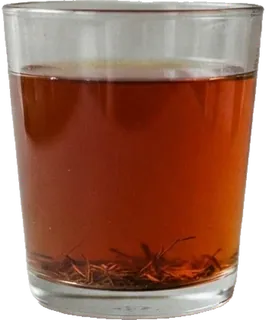
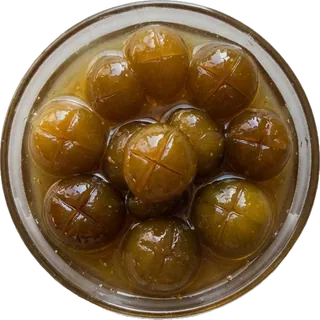
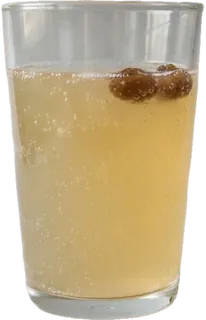
Peeled prickly pear flesh sold from buckets at Eastern Cape roadsides each summer, left to ferment with sugar and water into a strong home-made beer. The fruit and its brew mark December and January in towns such as Alice and Fort Beaufort.
How to order
Ndicela itolofiya, enkosi.
There is nothing to clear with the seller, since the fruit and its beer are only flesh, sugar, water and time; asking by name is enough: “Ndicela itolofiya, enkosi.” Roadside sellers in the Eastern Cape deal in isiXhosa, not English.
History
Itolofiya is the isiXhosa name for the prickly pear, Opuntia ficus-indica, called turksvy in Afrikaans and prickly pear or Indian fig in English. The cactus came from Mexico, carried to the Cape by Dutch colonists in the seventeenth century as hedging and fodder, and spread until it naturalised across the Eastern Cape. Each December and January, when the fruit ripens, people in towns such as Alice, Fort Beaufort and Peddie pick it, burn off the spines, peel it and sell it by the bucket at the roadside, and ferment the surplus with sugar and water into a home-made beer drunk through the hot months.
Everything in the pot is plant: prickly pear flesh, sugar, water and the wild yeast that arrives on its own once the mixture sits in the sun for a few days. No animal product enters at any stage, not in the picking, the peeling or the fermenting, and nothing is added at the table either — the beer is drunk as it is, straight from the bottle or tin it fermented in. There is nothing here that needs settling before eating or drinking it.
Where to get it
Roadside tables and buckets along routes through Alice, Fort Beaufort and Peddie in the Eastern Cape, each December and January when the fruit ripens; a handful of peeled pears costs a few rand, and the home-brewed beer is traded informally rather than sold by the glass.