Umxhaxha
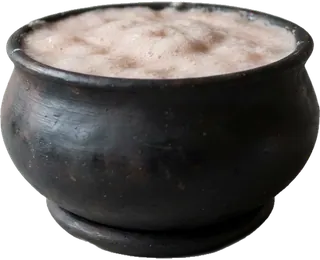
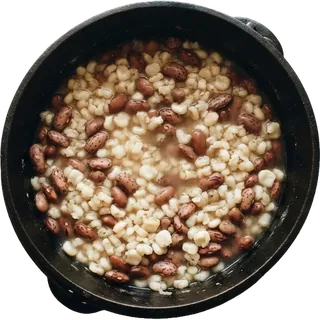
Green mealies are cut from the cob and simmered with cubed pumpkin until the pumpkin collapses into the kernels, with only water and salt added. It is an Eastern Cape harvest dish, eaten in late summer when both crops ripen together in homestead gardens.
How to order
Ndicela umxhaxha ongenebhotolo, enkosi.
To keep butter or milk out, ask for “Ndicela umxhaxha ongenebhotolo, enkosi,” since either can be stirred in once the pot is off the heat. In rural Eastern Cape kitchens and stalls, isiXhosa is the language spoken at the counter, not English.
History
Umxhaxha is a Xhosa dish from the Eastern Cape, where maize and pumpkin are planted together in homestead fields — colonial-era land dispossession confined Xhosa farming families to small plots, and intercropping maize with pumpkin made efficient use of that ground. The two ripen in the same weeks, from January into March, and are cooked together rather than stored apart: mealies stripped from the cob, pumpkin peeled and cubed, both simmered in one pot with water until the pumpkin breaks down and coats the kernels. It belongs to that short harvest window, made in rural homes rather than kept year-round.
Umxhaxha is maize, pumpkin, water and salt — two vegetables simmered down together, nothing else added. No dairy, fat or meat enters the pot in its standard form, though some households stir in a spoon of butter or a splash of milk at the table to round out the sweetness, a choice made by the eater rather than the cook. What needs settling, if eating out or asking a cook, is only that addition: whether butter or milk goes in before serving, since the base recipe itself never includes either.
Where to get it
Rural Xhosa homesteads across the Eastern Cape, from the former Transkei through to Gcaleka and Ngqika areas, cook it during the maize and pumpkin harvest from January to March. It rarely reaches a market stall, since it is a season-bound household dish rather than something sold by weight, though it turns up occasionally at township food stalls for a few rand a bowl during those weeks.