Umngqusho
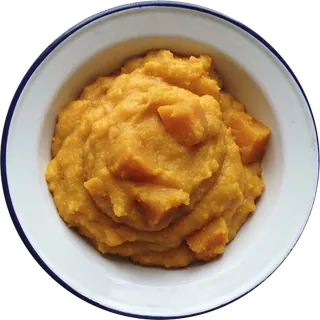
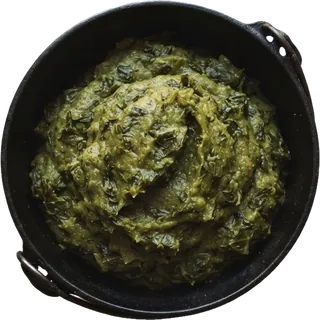
Dried maize kernels are stamped to crack the hull, then simmered for hours with sugar beans until both soften into a single starchy mass. It is the signature dish of the Eastern Cape, cooked in Xhosa homes for Sunday lunch and funeral tables alike.
How to order
Ndicela umngqusho ongenanyama, nceda.
At home the pot is often meatless already, but at a shisanyama, caterer or funeral kitchen, trotters, tripe or stock may already be in the liquid before you order, so ask before it's dished up: “Ndicela umngqusho ongenanyama, nceda.” Most eateries in the Eastern Cape run the counter in English as well as isiXhosa, so the request lands either way.
History
Umngqusho takes its name from isiXhosa; the same pot is known as isistambu in isiZulu and simply as samp and beans in English, and it is cooked across the Eastern Cape, from Mthatha to the villages around Qunu. Dried maize kernels are stamped to crack the hull, soaked overnight, then boiled for hours with sugar beans, onion and salt until the grains burst and the beans collapse into the same soft mass. It appears at Sunday family lunches, at umgidi initiation feasts and at funeral tables, and it was the dish Nelson Mandela, raised in Qunu, named as his favourite.
The base is plant throughout: stamped maize, sugar beans, onion and salt, simmered in water until thick. Animal product enters, when it does, at the cooking stage rather than at the table — restaurant kitchens and funeral cooks often add sheep's trotters, tripe or meat stock to the pot for flavour, and once that happens it cannot be removed afterward. Many household versions are built on the plant base alone, especially for everyday family meals, which makes it worth asking, before the pot goes on, whether trotters or stock have gone in.
Where to get it
Township shisanyamas, home kitchens and funeral caterers across the Eastern Cape, from Mthatha to East London, served by the plate at lunch or heaped onto funeral and wedding tables; a plate runs R25-R40 at a township eatery.