Ritschert
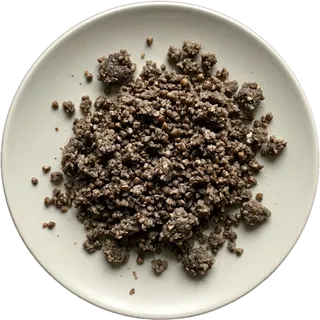
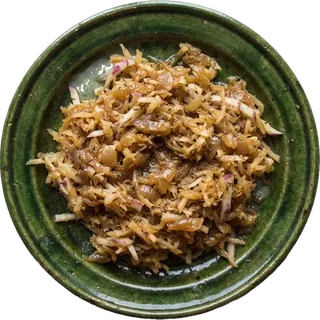
Pearl barley and beans cooked down with root vegetables and lovage into a thick one-pot — one of the oldest documented dishes in the Alps.
How to order
Gibt es das Ritschert auch ohne Selchfleisch, nur mit Gerste, Bohnen und Wurzelgemüse?
Ask for it without smoked meat and started in oil rather than Butterschmalz, and check that the stock is vegetable rather than meat broth — both need to be requested, because the smoked pork is the default.
History
The name is Slovene: Ritschert is the Germanised form of ričet, pearl barley, and its Carinthian synonym Gerstbrein is the ancestor of the Slovene ješprenj. The dish itself is prehistoric. Finds in the Hallstatt salt mines show that barley, broad beans and millet were being cooked together in the Iron Age, in the mountain itself, seasoned with wild garlic; animal bones show pork was part of it. The first written appearance — of the dish, not the name — is Paolo Santonino's account of a banquet in 1485 at Khünegg near Hermagor in the Gailtal, where the eighth course served to the Bishop of Caorle was barley in rich meat broth. The word itself surfaces as ru(e)tschart in the Tegernsee monastery cookbook of 1534.
It survived as autumn and winter food along the Drau, a way of using up what the harvest and the pig-killing left: dried beans, barley, root vegetables, smoked meat. Carinthians eat it as Fisolenritschert in late summer when the green beans called Strankalan come in, and a bowl of it is still standard in Carinthian and Styrian country inns from October onwards.
The structure is barley and pulses, and the pot works perfectly without the Selchfleisch — it was the cheap, filling grain-and-bean base that fed people, with the smoked pork as the flavouring the household could afford. Lovage, bay, marjoram, sage, garlic and onion carry the taste; in a vegan version the depth that the smoked meat gave has to come from smoked paprika or a browned onion base instead. Butterschmalz for the onions is the second thing to watch.
Where to get it
Carinthian and upper Styrian Gasthäuser from autumn to early spring, especially in the Gail-, Drau- and Lavanttal.