Rougail Tomate
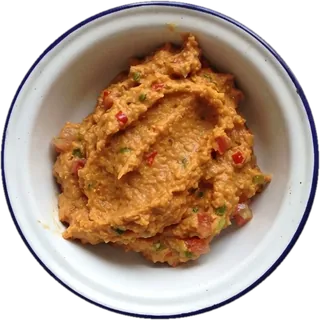
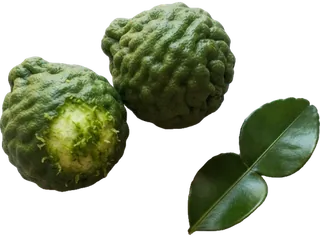
Ripe tomatoes, onion, chilli and a scrape of combava zest are crushed together raw with salt, with no cooking involved, and left to sit a few minutes before serving cold. It is the condiment set beside rice and grains on nearly every Réunionnais table, eaten at lunch across the island from Saint-Denis to Saint-Pierre.
How to order
Mi anvi in rougail tomate, siouplé.
Rougail tomate carries no animal ingredient to ask about — it is raw tomato, onion, chilli and combava crushed with salt, nothing cooked in and nothing added at the table — so ordering it is just a matter of asking: “Mi anvi in rougail tomate, siouplé.” If it arrives as part of a set plate, the cari served alongside it may be built on meat or fish, so that part is worth asking about separately.
History
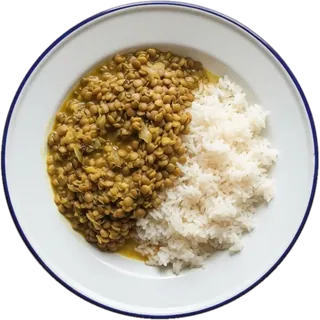
Rougail is the Réunion Creole name for this raw condiment, rendered in French as rougail de tomates; the same word also names the whole family of dishes built around a crushed base. It is made fresh in nearly every household on the island, crushed just before each meal rather than kept, and set beside rice, lentils or dried beans and a cari, the backbone of the everyday Réunionnais plate. Chilli and other spices reached the island through colonial-era trade, and the dish took its present form from the cooking of enslaved Malagasy and African workers, freed in 1848, and the Indian engagés indentured afterward on the island's sugar estates.
Rougail tomate carries no animal product at any stage: tomato, onion, chilli and the zest of combava or a squeeze of lime are crushed raw with salt, and nothing is cooked that would call for butter, lard or a scrap of meat for flavour. The animal product that does turn up in Réunionnais cooking belongs to other dishes in the same rougail family — rougail saucisse built on Toulouse sausage, rougail morue on salt cod — not to this one, which stays a vegetable condiment from mixing bowl to table. Nothing needs to be asked for or left out.
Where to get it
Street markets and cantines créoles across Réunion serve it as a side to the midday plate of rice and grains, from the Saint-Paul market on Friday and Saturday mornings to home kitchens in Saint-Denis and Saint-Pierre. On its own it costs little; folded into a plat créole, the whole plate runs about €8 to €12.