Sagu de Vinho
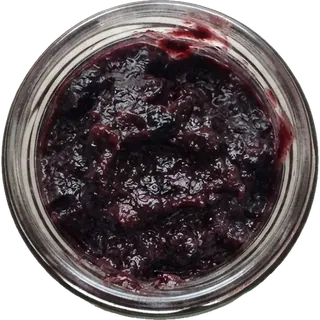
Small dried tapioca pearls simmered for an hour or more in red wine or grape juice with sugar and a cinnamon stick, until they turn glassy and deep purple. Served cold in cups, it is the dessert of the Italian-immigrant colônias of the Serra Gaúcha, sold in cafés coloniais and farm-stay dining rooms around Bento Gonçalves. A cup of sweet vanilla cream is spooned over each portion at the table.
How to order
Me vê um sagu de vinho, pode ser com o creme à parte, por favor?
The sale runs in Portuguese, though kitchens around Bento Gonçalves may switch to Talian among themselves. Asking for the cream “à parte” (on the side) or “sem creme” (without cream) settles the one point still open by the time the dessert reaches the counter. The wine or juice itself has already simmered with the tapioca for an hour or more, so nothing in the pot can be changed on request.
History
Sagu is the Portuguese word for the small dried tapioca pearls used here, and vinho is wine; the dessert is also called sagu de uva when grape juice replaces the wine. It belongs to the colônias of the Serra Gaúcha, settled from 1875 by immigrants from the Veneto and Trento regions of Italy, whose descendants around Bento Gonçalves and Garibaldi still speak Talian at home. Home cooks and the kitchens of cafés coloniais and farm-stay inns simmer the pearls slowly in red wine with sugar and a cinnamon stick until they turn glassy and deep purple. It is served cold, at colonial lunch tables year-round and in volume during the grape harvest, the vindima, from February to April.
The sagu itself—tapioca pearls, wine or grape juice, sugar, cinnamon—is entirely plant. Animal product enters only with the cream spooned over each portion at the table: a cooked custard of milk, egg yolks and sugar, sometimes called nata or creme de baunilha, added after the sagu is already made and chilled. What has to be settled is whether that cream is served already poured over the dessert or offered separately in its own little jug, since once it is stirred in it cannot be lifted back out. A second, harder point is the wine itself: some bottlings are clarified with gelatin or other animal fining agents before the dessert is even started, a fact the cook at the counter is unlikely to know and cannot fix by request.
Where to get it
Cafés coloniais, farm-stay dining rooms and bakeries around Bento Gonçalves, Garibaldi and Caxias do Sul serve it as a fixed dessert course year-round, in heavier rotation during the grape harvest from February to April, for about R$8 to R$15 a portion.