Butiá
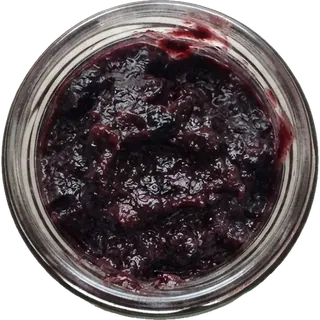
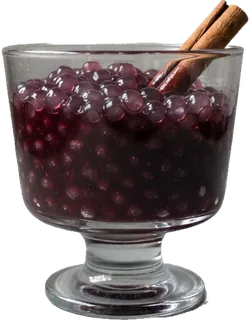
Butiá is the orange fruit of Butia odorata, a palm native to the coastal plains of Rio Grande do Sul, picked by hand from December to March and eaten raw off the fibrous stone for its sour pulp. Growers cook it with sugar into juice, jelly and compote, or steep it in cane spirit to make a liqueur. It is sold at roadside stands and the February fair in Tapes.
How to order
Me dá um quilo de butiá bem maduro, por favor?
The sale at a roadside stand or at the Tapes fair runs in Portuguese, and there is no animal product to clear, since butiá and its preserves are plant only from picking to jar. What is worth settling is ripeness: fruit sold “bem maduro” is softer and sweeter, while “mais verde” keeps more sourness, which some buyers want for juice. For the liqueur, it is fair to ask whether it was made with “cachaça” or a grain spirit, though cane spirit is standard.
History
Butiá comes from Tupi-Guarani and names both the palm (Butia odorata) and its fruit, gathered from butiazais, dense natural stands of the palm growing on the sandy coastal plain of Rio Grande do Sul near Lagoa dos Patos. Tapes, on that plain, holds the fruit's best-known harvest, with family growers and small cooperatives picking the ripe orange clusters by hand from December into March. The pulp is eaten straight off the stone, or cooked with sugar and water into juice, jelly and compote; part of the crop goes to local distillers who steep it in cane spirit to make licor de butiá. The fruit is sold at roadside stands along the RS highways, at feiras in Tapes and Porto Alegre, and at the municipal Festa do Butiá each February.
The fruit, the juice and the preserves are entirely plant: butiá pulp, water and sugar, with no animal product entering at any stage of picking or cooking. The liqueur follows the same rule, since it is built from cane spirit (cachaça) and sugar macerated with the fruit, not from cream, egg or milk as some regional liqueurs are. There is no animal-product decision to settle at the counter here. The only variable from one vendor or batch to the next is how much sugar goes in and how ripe the fruit was picked, which changes sweetness and sourness, not what the dish is made of.
Where to get it
Roadside stands along the RS highways near Tapes and Camaquã, feiras in Porto Alegre, and the municipal Festa do Butiá each February sell the fresh fruit by the kilo for about R$8-15, with bottled juice, jelly and liqueur priced separately at R$10-30.