Sauser
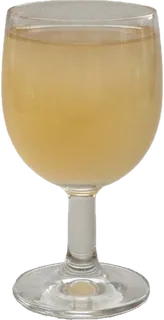
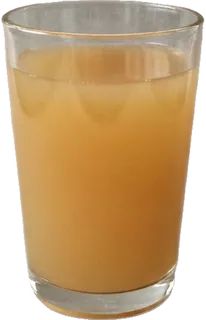
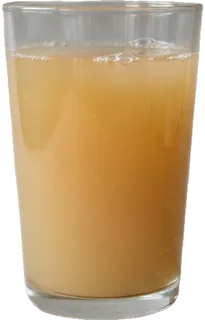
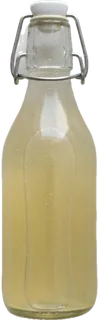
Cloudy, still-fizzing grape must, caught halfway between juice and wine, served by the glass during the autumn harvest in the Klettgau vineyards around Hallau.
How to order
Ein Glas Sauser, bitte.
Sauser is grape must and needs no animal check at this stage, but if ordering it late in the season ask whether the bottle is ‘reiner Sauser’ and not blended back with a finished, fined wine.
History
Hallau, in the Klettgau valley of canton Schaffhausen, is the largest winegrowing village in German-speaking Switzerland, with vine terraces documented in monastic land records from the early Middle Ages. Sauser is what the winegrowers draw off during the Wümmet, the grape harvest in September and October: freshly pressed juice, still carrying wild yeasts from the skins, bottled or jugged before fermentation finishes. It was traditionally the harvest workers' own drink, poured in the press house and later in village taverns during the few weeks it stays this sweet and cloudy, before it turns into Federweisser and then into wine proper.
Sauser is pressed grape juice and nothing else: grape sugars, grape skins, and the wild yeasts already on them, working without any addition. The animal-derived step in wine production, fining with gelatine, egg white or isinglass to clear the liquid, happens later, once the must has become wine and needs polishing before bottling. Sauser is drunk before that stage, still murky, so the question never arises in its traditional form. The only thing worth checking is whether a bottle labelled Sauser has in fact been cut with an already-fined wine to stabilise it for longer shelf life.
Where to get it
From Weingüter and roadside stands along the Klettgau wine route around Hallau, and in village Besenbeizen, during the Wümmet in September and October.