Sujeonggwa
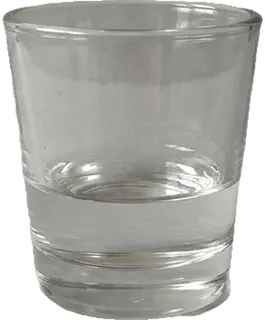
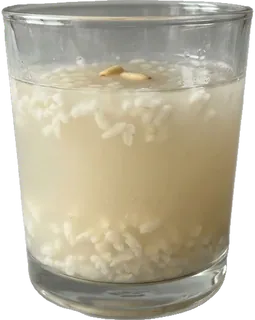
Cinnamon bark and ginger are boiled for hours, sweetened with sugar, then cooled and served dark red with a soft dried persimmon and pine nuts floating on top. It is drunk cold after a heavy meal, especially at Seollal and after memorial-rite dinners, cooling the palate and settling digestion.
How to order
수정과 한 잔 주세요.
Sujeonggwa is cinnamon, ginger, sugar, persimmon and pine nuts simmered and chilled, with nothing animal in the recipe, so nothing needs to be asked of the kitchen; ordering it is as simple as saying “수정과 한 잔 주세요.”
History
Sujeonggwa (수정과) is a spiced punch made across Korea, from Seoul to the southern provinces, traditionally prepared by women in the household kitchen ahead of Seollal and Chuseok. Cinnamon bark and whole ginger are boiled separately for hours, the liquids strained and combined with sugar, then chilled overnight until dark red. Dried persimmon, softened in the liquid, and pine nuts are added just before serving. It closes a holiday meal or a memorial-rite table (jesa), poured in small bowls alongside sikhye, the sweet rice drink, as the two customary drinks of a Korean festive spread.
Sujeonggwa carries none of the three places animal product usually hides in Korean cooking: no jeotgal or fish sauce, since it is not a kimchi preparation; no myeolchi-yuksu, the dried anchovy and kelp stock under most soups and noodles, since it is a punch and not a broth; and no egg garnish, since nothing is pan-fried or plated with jidan on top. Cinnamon, ginger, sugar, dried persimmon and pine nuts are the entire recipe, and none of it is added at the table. A glass of sujeonggwa ordered anywhere in Korea needs no question asked of the kitchen.
Where to get it
Served at traditional tea houses (jeontong chatjip) in Insadong and Bukchon in Seoul, at restaurants as the closing drink after a hanjeongsik meal, and at home over Seollal and Chuseok; a glass at a tea house runs 6,000-9,000 won.